
Cold weather often makes even reliable cars difficult to start, a common winter problem. As temperatures drop, batteries weaken, oil thickens, and fuel systems become less efficient.
Many people think a car that won’t start in the cold needs a major repair, but the cause is often simple. For instance, it is common for drivers in northern regions to find their cars unresponsive on frigid mornings due to a weak battery or thickened oil, requiring only a jump start or an oil change rather than expensive repairs. A weak battery, the wrong oil, or moisture in the fuel system can leave you stuck. Knowing how cold affects your car helps you resolve issues quickly and prevent future problems.
Before getting into the specific causes and solutions, first understand why cold weather makes starting difficult and what you can do about it.
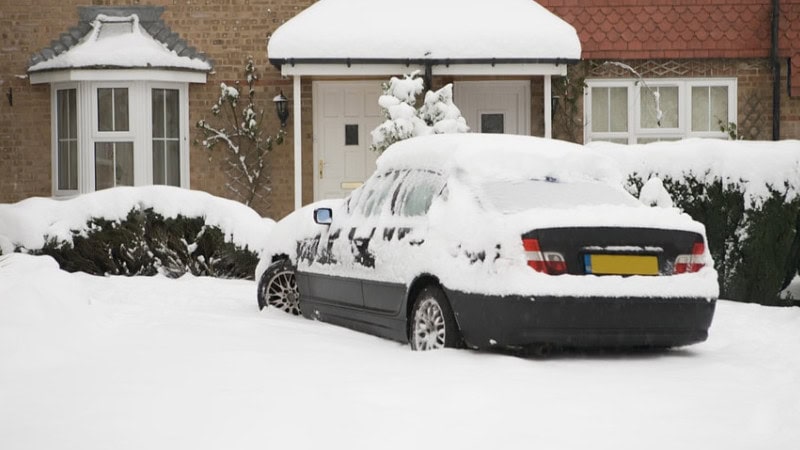
Why Cold Weather Affects Car Starting
Cold weather increases strain on your car’s starting system, even if it operates well in warmer conditions. Lower temperatures slow the battery’s chemical reaction, reducing available power, while the engine requires more energy to turn over because components are stiffer. This imbalance often leads to starting difficulties in winter.
Cold temperatures thicken engine oil, requiring the starter to draw more power from an already strained battery. Fuel delivery may also be compromised, especially if moisture is present or, in diesel engines, if the fuel gels.
These issues explain why starting problems often show up on cold mornings.
Most Common Reasons a Car Won’t Start in Cold Weather
Cold weather typically exposes existing weaknesses rather than causing new issues. Below are the most common reasons cars fail to start in winter.
1 Weak or Dead Battery (Top Cause)
A weak or failing battery is the leading cause of cold-weather starting issues. The engine requires more energy to turn over in low temperatures, often exceeding the battery’s capacity.
Cold Cranking Amps (CCA) show how much current a battery supplies at 0°F (–18°C) for 30 seconds. A higher CCA means better winter starting. Low CCA or an old battery may fail in winter, even if it works in summer.
Common winter battery failure signs include:
- Slow or labored cranking
- Clicking sound when turning the key
- Dashboard lights dimming
- The car starts after a jump but stalls again soon after.
2 Thick Engine Oil
Cold thickens engine oil, making the engine harder to turn and draining more battery power.
Using oil that is too thick for winter makes starting harder. Use lighter grades, such as 5W-30, in cold weather.
3 Fuel System Issues
Cold weather can disrupt fuel delivery in several ways:
- Frozen fuel lines: Moisture inside fuel lines can freeze, blocking fuel flow.
- Water in fuel: Condensation builds up in partially empty tanks and freezes overnight.
- Diesel gelling: In many U.S. states, diesel fuel can gel (thicken) in extreme cold, when its wax solidifies, blocking proper injection and combustion.
Fuel issues often cause the engine to crank without starting or result in rough initial starts.
4 Starter Motor Problems
Cold weather boosts the electrical and mechanical load on the starter. A worn starter may not spin the engine fast enough to ignite.
Common cold starter symptoms:
- Single loud click → often a weak battery or starter solenoid
- Rapid clicking → low battery voltage.
- No sound at all → possible starter failure, relay, or wiring issue
5 Ignition System Issues
The engine needs a stronger spark in cold weather. Bad spark plugs or ignition coils can cause long cranking or no start.
6 Check Engine Light–Related Failures
Cold can affect electronic sensors in your car, which inform the engine control unit (ECU)—the computer that manages fuel and ignition. If the sensors send inaccurate data, the ECU may send the wrong fuel mixture, preventing the engine from starting.
What to Do Immediately When Your Car Won’t Start
If your car won’t start in cold weather, stay calm. Turn off all accessories to lower battery demand. If you hear slow cranking or clicking, wait a minute between attempts for the battery to recover.
If it still won’t start, try jump-starting with another vehicle or a jump pack. Connect the cables correctly and wait several minutes for charging. Don’t keep cranking if it won’t start, as this can flood the engine or damage the starter.
If jump-starting fails or warning lights stay on, get help. Forcing a start in the cold can turn small problems into costly repairs.
How to Jump-Start a Car Safely in Cold Weather (Step-by-Step)
Take care when jump-starting in the cold, as a battery recovers slowly, and rushing can cause damage. Follow these safety steps.
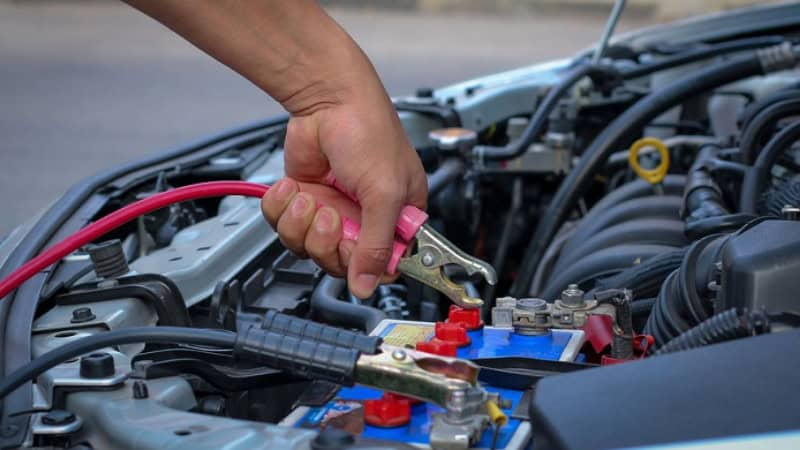
Step 1: Set up safely
- Park the donor vehicle close enough for the cables to reach, ensuring the vehicles do not touch.
- Put both cars in Park (or Neutral for manual), set the parking brakes, and turn off the ignition.
- Turn off all accessories that draw power, including headlights, HVAC, seat heaters, and defrosters.
Step 2: Inspect the battery area
- If the battery case appears cracked, leaking, or swollen, do not attempt to jump-start it. Seek professional assistance.
- If the terminals are heavily corroded, gently clean them if possible, as poor contact can prevent a successful jump-start.
Step 3: Connect jumper cables in the correct order
- Red clamp → dead battery positive (+)
- Red clamp → good battery positive (+)
- Black clamp → good battery negative (–)
- Black clamp → a clean metal ground on the dead car (a solid unpainted bolt/bracket on the engine or chassis).
If possible, avoid connecting the final clamp directly to the dead battery’s negative terminal. Grounding to a clean metal surface reduces the risk of sparks.
Step 4: Let it “pre-charge” (important in cold weather)
- Start the donor car and let it idle for 3–5 minutes.
- In extremely cold conditions with a very weak battery, cranking engages the starter motor to attempt to start the engine.
Step 5: Start the dead car correctly
- Try to start the car for no more than 5 seconds at a time.
- If it doesn’t start, wait 30–60 seconds and try again (this protects the starter and reduces battery strain).
- If the engine cranks slowly and then clicks, stop. The battery may be too weak, the cables may be poorly connected, or the starter may be failing.
Step 6: Remove cables in reverse order
- Black clamp off the ground (dead car)
- Black clamp off good battery (–)
- Red clamp off good battery (+)
- Red clamp off dead battery (+)
Step 7: Keep it running
- Let the car idle for several minutes after jump-starting, then drive for 20–30 minutes. If the car stalls again, it may have a battery or alternator issue. Be sure it is safe before driving further.
After fixing a cold-start issue, you may want to drive off immediately. Sometimes this is fine, but other times, driving may worsen the issue or cause another breakdown. It is important to know the difference.
If the car starts smoothly and the lights turn off, it’s generally safe to drive. Let the engine idle, then drive gently and keep RPMs low until warm.
Don’t drive if the engine stalls, runs rough, hesitates, or if warning lights stay on. These indicate battery, charging, or ignition issues and increase the risk of a breakdown.
After a jump start, drive for 20–30 minutes so the alternator can recharge the battery. Short trips will not fully recharge it and may cause issues. If it stalls again, the battery or alternator may be bad.
If unsure, drive carefully and schedule an inspection. A cold no-start is often a sign of a bigger issue.
How to Prevent Cold-Weather No-Start Problems
Prevent cold no-starts by testing your battery before winter, especially if it’s over three years old. Use a multimeter to measure the resting voltage (when the car is off), or have a professional perform a load test (which assesses the battery’s ability to maintain voltage under load). Weak batteries fail faster in cold weather, so replace them early to avoid breakdowns.
Using the correct engine oil is essential. Always follow the manufacturer’s recommended winter oil grade, as thinner oil flows better in low temperatures and eases starting. Keep the gas tank at least half full to reduce the risk of moisture freezing in fuel lines. For diesel vehicles, use winter-grade fuel or an anti-gel additive.
Parking location matters. When possible, park in a garage or shelter to protect your vehicle. In very cold regions, use an engine block heater. Avoid frequent short trips in winter; longer drives recharge the battery and prevent repeated starts.
Does Cold Weather Damage Your Engine?
Cold weather does not damage your engine, but repeated cold starts without care can increase wear. Thick oil in a cold engine takes longer to reach critical parts. Most engine wear occurs in the first seconds after starting, especially in winter.
Short trips make this worse. If you start, drive briefly, and shut off, the engine does not fully warm up. Combustion residue remains, causing condensation inside the engine. Over time, this can lead to sludge, corrosion, and shorter engine life.
Cold can add stress to hoses, seals, and gaskets, increasing the likelihood of leaks. Batteries, starters, and alternators work harder in winter, which speeds up wear.
Modern engines handle cold with proper care. Use the right oil, let the engine warm up for 30 seconds to a minute before driving, and avoid unnecessary cold starts to protect the engine.
When to Call a Mechanic
A single cold-weather no-start doesn’t always mean your car needs professional repair, but there are clear signs that it’s time to call a mechanic. If your car repeatedly won’t start in cold weather, even after jump-starting, the problem is likely more than just a weak battery. Consistent no-start issues often point to a failing battery, a charging system problem, or a worn starter.
You should also seek professional help if the check engine light, battery light, or other warning lights stay on after the car starts. These indicators suggest sensor faults, ignition issues, or alternator problems that require proper diagnostic tools. Another red flag is if the car starts but stalls shortly after, runs very rough, or loses electrical power while driving.
If your battery keeps dying even after long drives, the alternator might not be charging it properly. Grinding noises when you start the car or repeated clicking sounds can also mean there’s a problem with the starter or wiring. A mechanic can test the battery, check the charging system, and diagnose the engine to find the exact cause. This can help you avoid repeated winter breakdowns.
Frequently Asked Questions (FAQs)
Why does my car start fine in summer but not in winter?
Warm weather places less strain on the battery and starting system. In winter, cold temperatures reduce battery output while the engine requires more power to crank. Aging batteries or oil that is too thick for cold weather can cause problems that only become apparent during winter starts.
How cold is too cold for a car battery?
Most car batteries begin to lose power below 32°F (0°C). At 0°F (–18°C), a battery can lose up to half its cranking power. This explains why batteries that perform well in mild weather may fail during a cold snap.
Can cold weather kill a new battery?
Cold weather typically does not cause a healthy new battery to fail, but it can reveal manufacturing defects or charging issues. If a new battery repeatedly fails in winter, the alternator or the electrical system may be to blame.
Should I warm up my car before driving in winter?
Modern cars require only a brief warm-up, typically 30 seconds to one minute. Afterward, gentle driving is preferable to extended idling, as it helps the engine reach operating temperature more quickly.
Why does my engine crank but not start in cold weather?
This typically indicates fuel or ignition issues, such as weak spark plugs, ignition coil problems, frozen fuel lines, or sensor faults affecting fuel delivery during cold starts.
Conclusion
When a car won’t start in cold weather, it’s usually not random. Winter just reveals problems that already exist in the battery, the starting system, the fuel delivery system, or the ignition system. Knowing how cold affects your car helps you respond appropriately, rather than guessing or replacing parts you don’t need.
Most often, the cause is straightforward: an old battery, thick engine oil, or moisture in the fuel system. Addressing these issues early can help you avoid repeated problems, costly repairs, and the inconvenience of being stranded. For example, regularly testing your battery’s voltage before winter and replacing it if necessary can prevent no-start situations on cold mornings. Simple measures such as proper jump-starting, using the correct oil, maintaining the battery, and avoiding short winter trips are effective.
If your car keeps having trouble starting in the cold, see it as a warning sign, not just a seasonal annoyance. Getting a proper diagnosis can help find small problems before they become big ones. With good preparation and regular maintenance, your car can stay reliable even in the coldest winter weather.
