
Keeping your car warm in the winter isn’t just about comfort—it’s about protecting the vehicle and making sure it’s ready to drive when you need it. Anyone who lives in colder states knows the struggle: you walk outside on a freezing morning, and your car feels like an icebox. The seats are stiff, the windows are frosted over, and the engine cranks slower than usual. But here’s the thing—warming a car without running the engine is possible, and it can actually save fuel, reduce wear, and keep you safer.
Instead of letting your vehicle idle for 10–15 minutes every morning, there are smarter, more efficient ways to retain heat overnight, prevent a deep cold soak, and keep the cabin more comfortable. In this guide, we’ll break down proven methods, practical tools, and mechanic-approved tips to help you keep your car warm without wasting gas—or risking damage.
Why Cars Get So Cold Quickly in Winter
Cars lose heat quickly in winter because they’re mostly made of metal, which absorbs and releases heat extremely quickly. Unlike your home, a vehicle has very little insulation, so the cold outside air can move through the body panels, roof, and windows in minutes. Once the heat from the previous drive fades, the interior reaches the same temperature as the outside air.
Another reason is cold-soak—a condition where every component, including the engine block, battery, seats, and dashboard, gradually cools to the surrounding temperature. When the engine and internal fluids are cold, the cabin also takes longer to warm back up when you finally start the car.
Your battery also struggles more in the cold. At around 0°F, a typical car battery can lose up to 60% of its cranking power. This drop in performance makes the electrical system work harder and slows down everything, including defrosters and blowers.
All of these factors combine to make your vehicle feel freezing almost immediately, even if you just parked it an hour ago.
Is It Safe to Keep a Car Warm Without Running the Engine?
Yes—it’s absolutely possible to keep your car warm without running the engine, but you need to do it safely and correctly. Many drivers assume the only option is to let the car idle, but prolonged idling wastes fuel, adds unnecessary engine wear, and is even restricted by law in several states. The good news is there are plenty of safe, engine-off methods that protect both you and your vehicle.
The key is avoiding anything that creates fumes, open flames, or electrical overload. For example, propane heaters, charcoal warmers, or high-wattage plug-in devices can turn a simple winter morning into a dangerous situation. On the flip side, using insulation, thermal covers, block heaters, or battery-powered warmers is entirely safe when used correctly.
So yes, you can absolutely keep your car warm without idling—it just comes down to using proven tools and avoiding unsafe DIY shortcuts.
Best Ways to Keep Your Car Warm Without Running It
Keeping your car warm without idling isn’t about one magic trick—it’s about combining insulation, smart parking, and safe warming tools. Below are the most effective methods that actually work in real-world winter conditions.
1 Use a High-Quality Insulated Car Cover
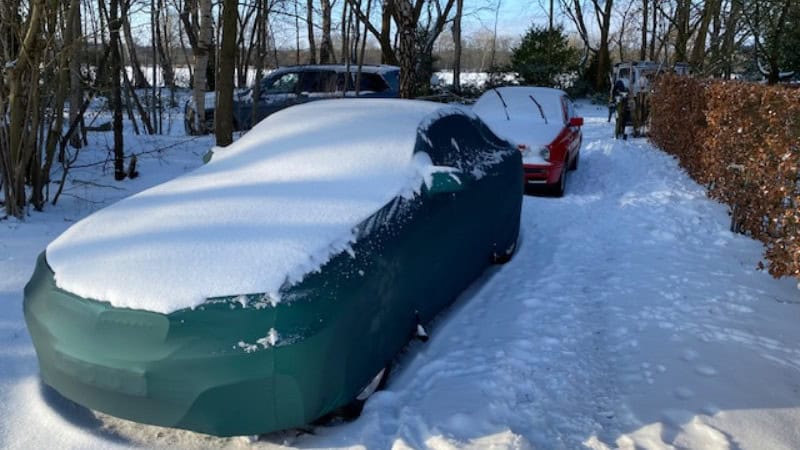
One of the easiest and most effective ways to retain heat in your car is to use a thermal or insulated car cover. These covers trap the heat your engine and cabin naturally produce while driving, slowing down how fast that warmth escapes overnight. Unlike basic dust covers, winter covers are quilted and layered, creating a barrier between your car and freezing temperatures. They also prevent frost buildup, meaning you won’t spend your morning scraping ice off the windshield. Make sure the cover fits snugly—loose covers let cold air slip underneath.
2 Install Windshield Thermal Sun Shades (Front and Rear)
Most drivers only use sun shades in the summer, but the reflective design works just as well in freezing weather. These thermal shades help block heat loss through your windshield and rear glass, which are significant areas where warmth escapes. Putting shades on both sides helps maintain a stable cabin temperature and reduces frost. It also prevents the interior from dropping to outside temperature as quickly. For the best results, choose double-sided shades with reflective foil.
3 Use Heated Blankets or 12V Car-Safe Warmers (When Parked but Engine Off)
Battery-powered heated blankets are surprisingly effective at warming. They don’t require the engine to run and can keep your cabin warm while you’re waiting in the car or taking a break. These blankets use low-voltage power, making them much safer than running high-wattage plug-ins. If you do use a 12V plug, be sure it’s a low-amp device explicitly designed for vehicles—many cheap imports overload sockets or drain the battery. Always unplug when you’re done.
4 Try a Portable Battery-Powered Car Heater (Self-Contained Units Only)
There are portable heaters explicitly made for vehicle use that run on their own rechargeable battery pack, not your car’s power supply. They don’t heat the whole cabin as a running engine would, but they’re great for warming the driver’s area or keeping frost away overnight. Most last 2–6 hours, depending on the setting. Avoid cigarette-lighter heaters—they draw too much power and usually blow fuses.
5 Park Smart: Use Buildings, Trees, or Windbreaks
Sometimes staying warm is all about strategy. Parking the car near a building, a garage wall, or a large tree helps block wind, the biggest heat thief. Even a 5–10 mph breeze can make the car lose temperature twice as fast. If possible, park facing into the wind to reduce direct exposure to cold air hitting the front end and the engine bay. Every little bit of shelter counts.
6 Install an Engine Block Heater (No Engine Running Required)
An engine block heater is one of the best winter upgrades you can make. It warms the engine coolant or engine block using electricity, keeping the engine much warmer overnight. This results in faster starts, quicker cabin heat, reduced wear on cold oil, and less fuel use. There are several types:
- Freeze-plug heaters
- Magnetic oil-pan heaters
- In-line coolant heaters
Using a plug-in timer reduces electric use and keeps the engine warm only when needed—usually 3–4 hours before driving.
7 Use Heated Seat Covers (Battery or Plug-In)
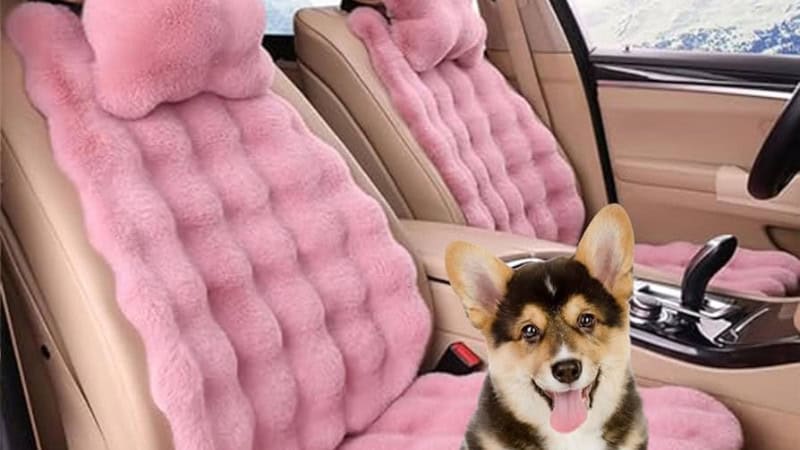
Heated seat covers warm up much faster than a car’s built-in heater. Battery-powered versions don’t drain your vehicle’s system and can make the cabin feel warmer overall because heat radiates from your seat upward. They’re very effective when waiting inside the car with the engine off. Just make sure any plug-in version is adequately fused.
8 Add Extra Cabin Insulation
Most cars have minimal insulation. Adding temporary winter insulation—like thick floor mats, insulated trunk liners for SUVs, or fleece seat covers—helps retain body heat once you’re inside. Even small things like adding a blanket over the dashboard at night can reduce heat loss, especially in frigid states.
9 Keep Doors and Windows Fully Sealed
Rubber door seals stiffen and shrink in cold weather, creating tiny gaps that let warm air escape and cold air creep in. Applying silicone spray keeps the rubber soft and helps maintain a tight seal. Check for cracked weather stripping around the doors, sunroof, and trunk. Fixing small gaps can make a big difference in how warm your car stays overnight.
Tips to Keep Your Engine Warmer Without Running the Car
Keeping your engine warm is one of the most innovative ways to make cold mornings easier. A warmer engine means quicker starts, less strain on your battery, and faster cabin heat once you finally fire it up. Here are some practical, mechanic-approved ways to keep the engine from freezing without ever running the car.
Use an Engine Blanket or Under-Hood Insulation
Thermal engine blankets trap the heat your engine naturally produces after driving. Laying one over the engine bay before closing the hood helps maintain warmth overnight. You can also add aftermarket hood insulation to reduce heat loss through the metal.
Avoid Parking Directly on Snow or Ice
Snow acts like a freezer. When your car sits on packed snow, the temperature underneath can stay colder for longer. Parking on bare pavement—or laying down cardboard or an old carpet—creates a barrier and keeps the underside of the vehicle warmer.
Install a Battery Warmer
Cold temperatures dramatically reduce a battery’s power. A battery warmer pad or wrap keeps the battery at a stable temperature, improves cranking power, and prevents sluggish starts. Plug-in styles work best for overnight parking at home.
Use a Magnetic Oil Pan Heater
This small device sticks to the oil pan and warms the engine oil. Warmer oil flows faster during a cold start, reducing wear and making the engine easier to start.
Together, these simple upgrades help protect your engine, save fuel, and keep your car ready for winter driving without wasting a drop of gas.
What NOT to Do (Safety Warnings)
Winter makes people desperate to stay warm, but some methods are flat-out dangerous and can turn a cold morning into a life-threatening situation. Here are the warming tricks you should never use—no exceptions.
Never use propane heaters, camp heaters, or charcoal inside the car.
These produce carbon monoxide, an odorless, deadly gas. Even with a window cracked, CO can build up quickly.
Don’t run the engine inside a closed garage.
This is one of the most dangerous winter mistakes. Exhaust fumes fill the garage fast, and the gas can move into your home.
Avoid high-wattage plug-in heaters.
Household heaters pull too much current and can melt wiring, blow fuses, or start fires. Car electrical systems aren’t designed for them.
Never use open flames or DIY heating hacks.
Candles, Sterno cans, or makeshift burners can ignite interior materials instantly.
Don’t overload your 12V outlet.
Cheap heaters or high-amp accessories can drain the battery or damage the car’s electronics.
Staying warm is important, but safety comes first—stick to proven winter tools, not risky shortcuts.
How to Stay Warm Inside the Car Without Heat
If you ever need to sit in your car during winter without the engine running—maybe you’re waiting for someone or stuck in traffic after shutting off the engine—there are a few innovative ways to stay warm safely.
Start with layered clothing. A thick hoodie, insulated jacket, or thermal base layer traps body heat better than blasting the heater. Hand warmers and foot warmers are also lifesavers in freezing weather and last several hours without using any power.
Keeping an emergency wool blanket in the trunk is always a good idea. Wool stays warm even if it gets damp and can quickly make the cabin more comfortable. You can also use insulated seat pads or fleece covers, which prevent the cold seat material from pulling heat from your body.
Small, simple steps like these make a huge difference when you’re stuck in the cold with no heat running.
Quick Emergency Hacks for a Sudden Cold
When winter hits unexpectedly, and your car turns into an icebox, a few quick hacks can help you stay warm without running the engine. One simple trick is to place a windshield sunshade inside the cabin—it reflects your body heat back toward you and slows heat loss. You can also throw a blanket or jacket over the seats, which keeps the cold vinyl or leather from absorbing heat from your body.
Another easy fix is using a warm (not boiling) water bottle wrapped in a cloth. Place it on your lap or near your core to stay comfortable for 20–30 minutes. And if the seats feel freezing, sit on folded coats or towels for instant insulation.
Should You Remote Start Instead? (Pros & Cons)
Remote start systems are super convenient, especially on freezing mornings, but they’re not always the best solution. On the plus side, remote start lets your engine warm up, melts windshield ice, and gives you a comfortable cabin before you ever step outside. For folks living in frigid states, this can feel like a lifesaver.
But there are downsides. Long idling burns extra fuel, adds unnecessary engine wear, and, in some states, is restricted or even illegal. Idling also doesn’t warm your engine as efficiently as driving, so you’re wasting time and gas for a limited benefit.
A remote start is excellent when you genuinely need fast heat or de-icing, but relying on insulation, block heaters, and smart parking is usually more efficient. For everyday winter use, warming the car without idling is often the more imaginative play.
The pros:
Remote start gives you instant comfort, clears windows faster, and prevents that painful “cold seat shock.” It also helps the engine reach operating temperature more smoothly in freezing weather.
The cons:
Idling burns fuel, creates unnecessary engine wear, and may even violate local anti-idling laws. In some cases, excessive idling can wash fuel down the cylinder walls, thinning the oil and reducing lubrication.
Final Thoughts
Keeping your car warm without running the engine comes down to a simple formula: sound insulation, smart parking, and using safe winter-approved warming tools. When you combine these methods, you can protect your car from deep cold soak and avoid wasting fuel on long idling sessions. Preparing before the real winter hits—installing a block heater, maintaining door seals, storing blankets, or upgrading insulation—makes cold mornings far easier to handle.
A warmer car doesn’t just feel better; it performs better. It starts more easily, uses less fuel, reduces battery strain, and helps extend your vehicle’s overall life. With the proper winter habits, you can stay comfortable and keep your car performing at its best all season long.