
A few years ago, diagnostics relied on manual checks, basic scan tools, and guesswork. Mechanics read error codes, tested components individually, and used their experience to identify problems. While this worked for older cars, it was slow and often missed emerging issues.
Today’s vehicles are more complex. Modern cars have countless sensors, advanced control modules, and software-driven systems. With all this technology, traditional diagnostic methods can’t deliver fast or accurate results. Drivers now expect quick answers, fewer repeat shop visits, and clear insights into their vehicles.
AI-powered vehicle diagnostics transform troubleshooting by using artificial intelligence and machine learning to analyze vast amounts of automotive data. They detect patterns and accurately pinpoint problems, shifting diagnostics from slow, reactive responses to rapid, data-driven decisions.
How AI Diagnostics Work in Modern Cars
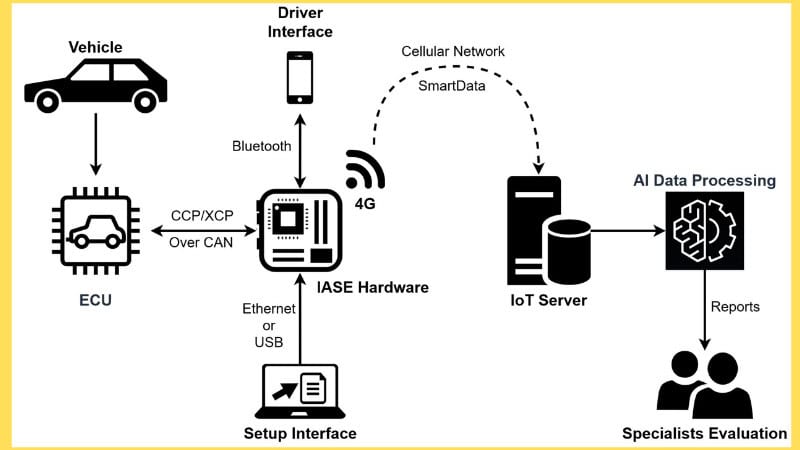
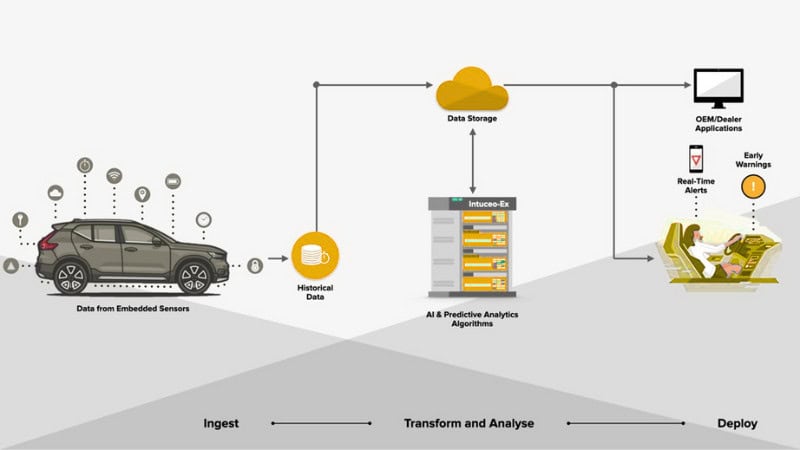
AI-powered diagnostics start with data collection. Modern vehicles have dozens or even hundreds of sensors. These sensors monitor everything from engine performance and emissions to brakes, transmission, and electrical systems. They constantly send information to the car’s electronic control units (ECUs), creating a real-time picture of vehicle health.
Machine learning and pattern recognition turn this raw data into actionable insights. Instead of just reading error codes, AI systems analyze patterns in sensor data, operating conditions, and past failures. This approach allows them to spot subtle abnormalities that traditional diagnostics might miss. Some issues are identified even before a warning light appears.
A top benefit of AI diagnostics is real-time fault detection combined with predictive analysis. AI tools can identify current problems and predict future failures. They spot trends such as gradual performance declines or unusual sensor behavior. This proactive approach helps prevent breakdowns and lowers unexpected repair costs.
Many AI diagnostic platforms use cloud-based databases. These systems learn continuously from millions of real-world repair cases, software updates, and vehicle data. As more information is gathered, diagnostic accuracy improves over time. This makes AI tools smarter and more reliable.
Traditional Diagnostics vs AI Diagnostics
For decades, vehicle diagnostics meant reading fault codes, visually inspecting vehicles, and testing parts individually based on experience. This often meant time-consuming trial and error—especially with multiple systems involved.
AI diagnostics replace much of this manual work with automated analysis. Instead of stopping at basic error codes, AI systems analyze live sensor data, historic patterns, and system interactions—often all at once. This helps pinpoint problems faster and with more confidence, even in today’s complex, software-driven cars.
AI diagnostics provide faster, more accurate, and efficient results. Traditional methods can miss emerging or intermittent issues, leading to repeated repairs and unnecessary part replacements. AI tools reduce guesswork, offering data-backed insights so technicians and car owners can make smarter repair choices from the start.
Traditional vs AI Diagnostics: Comparison Table
| Diagnostic Method | Manual testing and code reading | Automated data-driven analysis |
| Speed | Slower, time-intensive | Fast, near real-time results |
| Accuracy | Depends heavily on technician experience | High accuracy using pattern recognition |
| Fault Detection | Identifies existing issues only | Detects current and potential future issues |
| Guesswork | High (trial-and-error common) | Minimal (data-backed recommendations) |
| Misdiagnosis Risk | Higher | Significantly reduced |
| Scalability | Limited to individual cases | Learns and improves from large datasets |
AI-powered diagnostics reduce misdiagnosis and guesswork, raising the standard in vehicle troubleshooting. The process becomes faster, smarter, and fully aligned with the demands of modern vehicles.
Key Benefits of AI Vehicle Diagnostics
A major advantage of AI-based vehicle diagnostics is rapid, accurate fault detection. Rather than spending hours tracking down problems, AI-powered tools analyze live vehicle data in seconds. This quick identification allows issues to be caught early, even when symptoms are subtle or intermittent, minimizing downtime and increasing repair accuracy.
AI diagnostics also ensure more accurate repair suggestions. By comparing real-time data with large databases of known failures and repair outcomes, AI systems can more confidently identify the most likely cause. This reduces unnecessary part replacements and ensures efficient, targeted repairs from the start.
Lower labor time and costs are additional key benefits. Faster diagnostics mean less time spent testing parts, directly lowering labor costs and boosting shop efficiency, while often making repair bills more predictable for car owners.
AI shines in early problem detection and predictive maintenance. These tools spot abnormal trends, such as gradual sensor wear or performance drops, before they escalate. By catching issues preemptively, AI enables scheduled, preventive maintenance that avoids costly breakdowns and extends vehicle life.
Early, accurate AI-powered detection leads to greater reliability and safety. With prompt repairs, cars operate smoothly, experience fewer failures, and stay safer on the road.
AI Diagnostic Tools Used by Professionals and Drivers
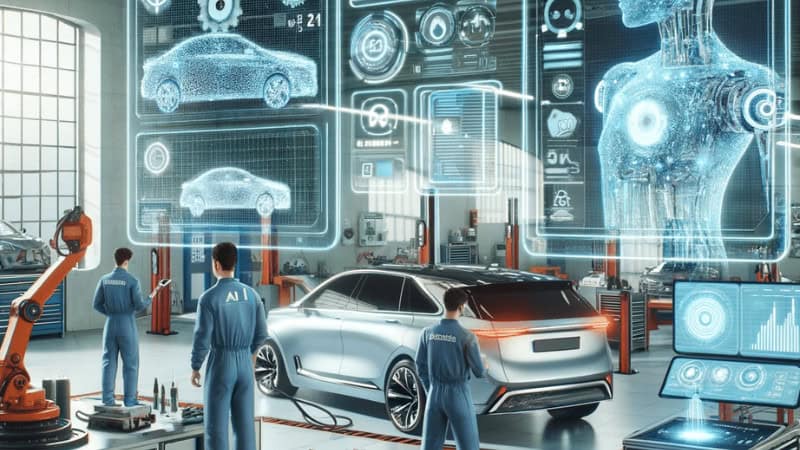
AI-powered diagnostics now come in various forms for both technicians and drivers. These tools differ in complexity, but all use artificial intelligence to deliver faster, smarter vehicle insights.
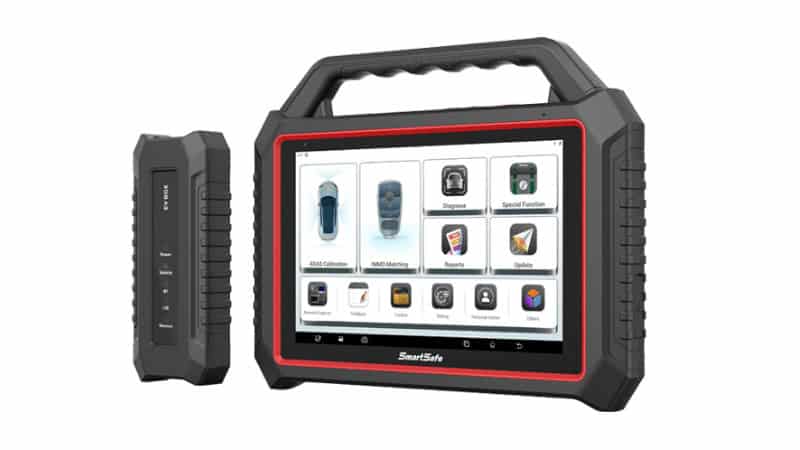
AI-powered OBD scanners are among the most common tools on the market. These devices plug directly into a vehicle’s OBD port. They go far beyond reading basic trouble codes. Using AI algorithms, they analyze live sensor data, identify patterns, and provide clearer explanations of problems. Many are designed to be user-friendly, making them accessible even for non-mechanics.
Advanced scan tools and software platforms are typically used by professional repair shops. These systems combine AI diagnostics with in-depth vehicle data and repair databases. They also provide wiring diagrams and guided troubleshooting. This helps technicians diagnose complex issues involving multiple systems, especially in modern vehicles with advanced electronics.
Mobile and app-based diagnostic systems bring AI diagnostics straight to smartphones and tablets. When paired with a compatible scanner, these apps translate complex data into easy-to-understand insights, maintenance alerts, and repair suggestions. This makes vehicle diagnostics more convenient and user-friendly for everyday drivers.
Remote and cloud-connected diagnostic tools take things even further by syncing vehicle data with online databases. These platforms continuously update themselves using real-world repair data, software updates, and vehicle trends. As a result, diagnostic accuracy improves over time, allowing both drivers and professionals to benefit from continually evolving AI.
How AI Is Changing the Auto Repair Industry
AI is transforming the auto repair industry, especially for independent shops. Smaller shops that once struggled with dealership-level diagnostics now compete more effectively using AI tools. These systems give independents advanced insights without the need for massive investments in proprietary equipment, helping them diagnose modern vehicles with greater confidence.
A major change is less reliance on trial-and-error repairs. Traditional troubleshooting often meant swapping parts until a solution was found, wasting time and money. AI diagnostics narrow down the root cause by analyzing patterns and history, leading to fewer callbacks and higher customer satisfaction.
AI also increases technician efficiency. Faster diagnostics mean more vehicles can be serviced in less time. Shop workflow and productivity improve. Technicians spend less time chasing problems and more time on actual repairs. This benefits both the shop and the customer.
At the same time, AI changes skill requirements for modern mechanics. Hands-on repair skills remain essential, but today’s technicians also need to understand software, data interpretation, and digital diagnostic platforms. The mechanical role is evolving into a blend of technical expertise and digital problem-solving. This reflects the growing influence of AI in vehicle repair.
AI Diagnostics for Everyday Car Owners
AI diagnostics are no longer limited to professional repair shops. They are increasingly accessible to everyday car owners. With AI-powered tools, drivers can perform basic DIY diagnostics and continuously monitor their vehicle’s health. These systems provide real-time data, maintenance alerts, and early warnings so owners stay ahead of potential problems.
For drivers, a major benefit is understanding warning lights and fault codes. Instead of seeing a vague check engine light, AI diagnostic tools explain codes clearly. They often highlight possible causes, severity, and whether immediate attention is needed.
AI diagnostics also help car owners make informed repair decisions before visiting a shop. By knowing which systems may be affected and what repairs are likely, drivers can avoid unnecessary services. This leads to more productive conversations with technicians. Added transparency builds confidence, reduces surprises, and ensures repairs are based on accurate information rather than guesswork.
Role of AI in Predictive Maintenance
One of the most powerful applications of AI in vehicle diagnostics is predictive maintenance. Instead of waiting for a part to fail, AI systems analyze patterns in sensor data to predict failures before they happen. By identifying early warning signs—such as irregular sensor readings, performance drops, or unusual operating conditions—AI allows issues to be addressed proactively.
AI diagnostics continuously monitor component wear and performance trends across key systems like the engine, transmission, brakes, and battery. Rather than relying on fixed service intervals, AI evaluates how components perform in real-world conditions. This leads to smarter maintenance timing based on usage, driving habits, and environmental factors.
Predictive diagnostics play a major role in extending vehicle lifespan. By catching problems early and preventing cascading failures, AI helps reduce long-term wear and unnecessary stress on critical components. The result is fewer breakdowns, lower lifetime repair costs, and a vehicle that stays reliable and roadworthy for many more years.
Limitations and Challenges of AI Diagnostics
Despite its advantages, AI vehicle diagnostics is not without limitations. One of the biggest challenges is dependence on data quality. AI systems are only as accurate as the data they receive. Faulty sensors, incomplete data, or incorrect inputs can lead to misleading results, thereby affecting diagnostic accuracy.
Software updates and compatibility issues also present challenges. Modern vehicles and diagnostic tools rely heavily on software, and not all systems update at the same pace. An AI tool may lack full compatibility with certain vehicle models, newer software versions, or manufacturer-specific systems, limiting its effectiveness in some cases.
Most importantly, AI cannot fully replace skilled technicians. While AI excels at analyzing data and identifying patterns, it cannot replicate hands-on experience, mechanical intuition, or physical inspection skills. Complex repairs, mechanical failures, and safety-critical issues still require human expertise. AI works best as a powerful assistant—enhancing diagnostic accuracy and efficiency—rather than replacing professional mechanics altogether.
Future of AI in Vehicle Diagnostics
The future of AI in vehicle diagnostics is closely tied to the rise of connected cars and telematics. As vehicles become more connected, AI systems will have access to real-time data transmitted directly from the car. This will allow continuous health monitoring, remote diagnostics, and instant alerts when problems begin to develop—often before the driver notices any symptoms.
AI will also play an increasingly important role alongside advanced driver-assistance systems (ADAS) and autonomous technologies. These systems rely heavily on cameras, radar, sensors, and software, all of which require precise diagnostics. AI-driven tools will be essential for calibrating, monitoring, and troubleshooting these complex systems, ensuring they operate safely and accurately.
Another major shift is the move toward software-defined vehicles. In these cars, many functions are controlled by software rather than mechanical components. AI-powered remote diagnostics will allow updates, fault detection, and system optimization without the vehicle ever entering a repair shop. Over-the-air updates will fix issues, improve performance, and even prevent future failures.
For future car repairs, this means diagnostics will become faster, more precise, and less dependent on physical inspections. Repair work will shift toward software analysis, system integration, and data-driven decision-making, changing how vehicles are maintained and repaired in the years ahead.
FAQs
How accurate are AI car diagnostic tools?
AI car diagnostic tools are highly accurate when they have access to quality vehicle data and updated software. Unlike basic OBD scanners that only read fault codes, AI diagnostics analyze live sensor data, historical failure patterns, and system behavior. This allows them to pinpoint issues more precisely and even identify developing problems before they cause a breakdown. However, accuracy can still depend on sensor health and vehicle compatibility. When used correctly, AI diagnostics significantly reduce misdiagnosis and provide more reliable results than traditional code-reading tools.
Can AI diagnostics replace a mechanic?
AI diagnostics cannot fully replace a mechanic, but they greatly enhance a technician’s capabilities. AI excels at analyzing data, detecting patterns, and quickly narrowing down potential issues. However, hands-on repairs, mechanical inspections, and complex troubleshooting still require human expertise. Skilled mechanics interpret AI results, confirm physical conditions, and perform repairs safely. In practice, AI works best as a powerful assistant rather than a replacement—helping mechanics diagnose faster, reduce guesswork, and improve repair accuracy without eliminating the need for professional skills.
Are AI diagnostic tools worth it for car owners?
For many car owners, AI diagnostic tools are absolutely worth it. They provide early warnings, explain warning lights in plain language, and help drivers understand potential repair needs before visiting a shop. This can prevent unnecessary repairs and improve communication with technicians. While advanced tools may cost more than basic scanners, the savings from avoiding misdiagnosis, reducing breakdowns, and extending vehicle life often outweigh the initial investment—especially for owners of modern, sensor-heavy vehicles.
Do AI diagnostics work on older vehicles?
AI diagnostics can work on older vehicles, but with some limitations. Most AI-powered tools rely on OBD-II data, which is standard in vehicles manufactured since the mid-1990s. While older cars may have fewer sensors and less data available, AI tools can still effectively analyze fault codes and performance trends. However, predictive features and advanced analytics may be less advanced than those in newer vehicles. Even so, AI diagnostics can still offer more insight than traditional scanners on many older models.
How safe is AI-based vehicle data analysis?
AI-based vehicle data analysis is generally safe when used with reputable tools and platforms. Most systems use encrypted data transmission and secure cloud storage to protect vehicle information. Diagnostic data typically focuses on performance metrics rather than personal information. However, safety depends on software updates, data handling practices, and user permissions. Choosing trusted diagnostic tools and keeping software up to date helps minimize risks. When properly managed, AI diagnostics offer strong security while delivering valuable insights into vehicle health.
Conclusion
AI is transforming vehicle diagnostics by replacing slow, manual troubleshooting with fast, data-driven analysis. Instead of relying solely on fault codes and guesswork, AI-powered systems analyze live sensor data, recognize patterns, and even predict potential failures before they happen. This shift is improving diagnostic accuracy, reducing repair time, and helping both drivers and technicians make smarter decisions.
Drivers should realistically expect AI diagnostic tools to provide clearer insights, earlier warnings, and better guidance—not instant fixes or complete automation. AI tools are most effective when used alongside professional expertise, helping identify problems quickly and avoid unnecessary repairs rather than replacing skilled technicians entirely.
Looking ahead, smart car diagnostics will continue to evolve as vehicles become more connected and software-driven. With advances in cloud computing, telematics, and predictive analytics, AI will play an even bigger role in keeping vehicles reliable, efficient, and safer on the road.
