
Getting tailgated is frustrating, and some drivers respond by suddenly hitting the brakes—a maneuver known as “brake checking.” This practice is dangerous and can have legal consequences. Across the United States, brake checking is considered unsafe and typically categorized as reckless or aggressive driving. If a crash occurs, the driver who brake-checked may be held responsible, even if struck from behind. Understanding the risks and consequences is essential for safety.
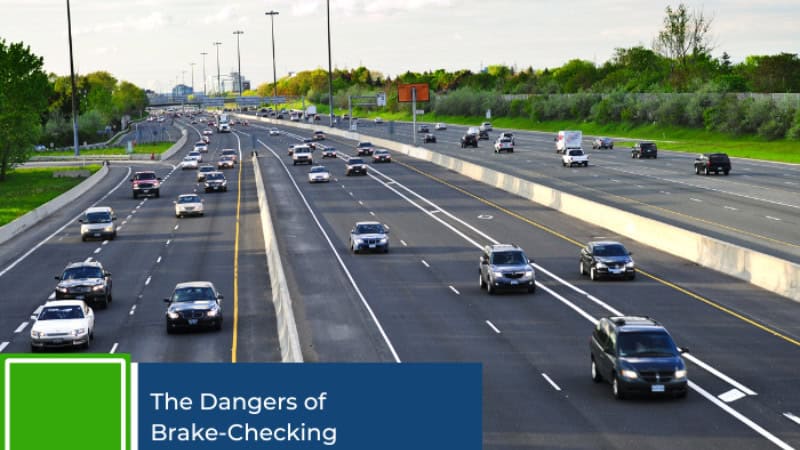
What Is Brake Checking? Definition and Meaning
Brake checking is when a driver brakes suddenly, without a valid safety reason, usually to scare the person behind. It’s most common during tailgating or road rage and is a form of retaliation instead of slowing down gradually or changing lanes.
It’s important to understand the difference between normal braking and brake checking. Normal braking occurs due to traffic flow, road conditions, obstacles, or emergencies. Brake checking has no legitimate driving purpose and is done on purpose to send a message to another driver. Even a quick brake tap at high speed can be considered brake checking if it’s intentional.
Unpredictable brake checking increases the risk of rear-end collisions and serious injuries, especially at high speeds. Traffic laws and insurance companies treat it seriously, and drivers caught may face significant penalties.
Is Brake Checking Illegal in the United States? Laws and Regulations Explained
In most cases, brake checking is illegal in the United States, even if the law doesn’t specifically address the term. Almost every state prohibits sudden, unnecessary braking under traffic safety regulations, classifying it as reckless or aggressive driving. Police and courts treat it as a serious violation.
Drivers must operate vehicles predictably and safely. Brake checking creates hazards and may be seen as aggressive rather than defensive driving.
If a crash occurs, brake-checking can shift fault to the front driver, even in rear-end collisions. Police reports, dash cam footage, and witness statements often play a key role in determining whether the braking was intentional.
How State Laws Address Brake Checking
While the term “brake checking” rarely appears word-for-word in traffic statutes, state laws clearly address the behavior through broader driving regulations. Most states require drivers to maintain a reasonable speed, proper following distance, and safe control of their vehicles at all times. Intentionally braking without a legitimate safety reason can violate these rules.
In many states, brake checking falls under reckless driving laws, which apply when a driver shows a willful disregard for safety. Other states classify it as aggressive driving, especially when it happens alongside tailgating, speeding, or hostile gestures. Some states use general “unsafe driving” or “careless driving” statutes to issue citations.
Penalties vary by state, from fines and license points to suspension or misdemeanor charges. Intent is key—if braking is proven to be deliberate and unnecessary, it is much more likely to be illegal.
Is Brake Checking Ever Legal?
Brake checking is almost never legal, but not all sudden braking qualifies as brake checking. Intent and necessity are key. Braking to avoid genuine danger is legal and expected.
Legal reasons for sudden braking include reacting to:
- A vehicle stops unexpectedly ahead.
- An animal or pedestrian entering the roadway
- Road debris or an immediate hazard
- Sudden traffic congestion or an emergency situation
Legal braking aims to prevent collisions or harm. Brake checking aims to scare or punish. Even if being tailgated, intentionally braking to “send a message” can result in a citation or fault in an accident.
Evidence such as dash cam footage, witness statements, and traffic conditions is often used to determine whether braking was justified.
What Happens If Brake Checking Causes an Accident?
If brake checking causes an accident, the consequences can be severe. While rear-end collisions usually place blame on the rear driver, proven intentional braking may shift responsibility to the brake checker, even if the rear driver is struck from behind.
Police consider traffic conditions, witness statements, and video evidence. Dash cams are important for proving whether sudden braking was justified. Insurance companies rely on this evidence for deciding fault.
If found at fault, drivers who brake-check may face citations, higher insurance premiums, denied claims, or lawsuits. Serious cases with injuries can lead to criminal charges.
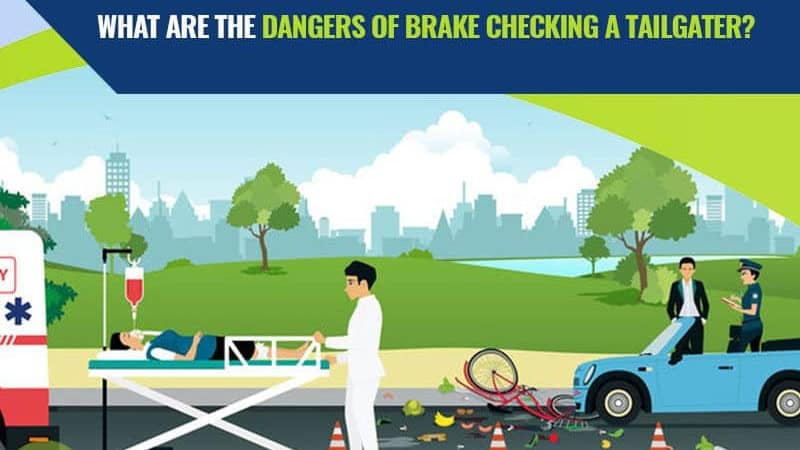
Penalties and Consequences for Brake Checking
Penalties for brake-checking vary by state and severity, but they can be severe. Reckless or aggressive driving charges bring fines, points, and higher insurance rates. Repeat offenses or injury crashes risk criminal charges or license suspension.
In more serious cases, drivers may face license suspension, mandatory driving courses, or increased insurance premiums that last for years. If brake-checking causes a crash resulting in injuries, it may be charged as a misdemeanor, which can carry heavier fines or even jail time in extreme cases.
Insurance companies consider brake checking high-risk. Drivers found at fault may face denied claims and higher premiums. A momentary reaction can become a long-term legal and financial issue.
How Police Prove Brake Checking
Proving brake checking depends on evidence and intent. Dash cam footage is key, showing traffic, following distance, and whether braking was truly unnecessary.
Officers use witness accounts, traffic cameras, crash scene analysis, skid marks, vehicle data, and brake light timing to reconstruct a crash. If traffic was normal and no hazard existed, sudden braking appears intentional.
When evidence points to deliberate braking, police reports note reckless or aggressive driving, which strongly influences citations, insurance, and fault decisions.
Brake Checking vs. Tailgating — Who Is at Fault?
Brake-checking and tailgating often occur together, but the law treats them as separate violations. Tailgating is illegal in every state and refers to following another vehicle too closely. Brake-checking, in contrast, is the deliberate act of suddenly braking without a legitimate reason, and many state laws classify it as aggressive or reckless driving. When a crash occurs, law enforcement may cite one or both drivers depending on their actions and evidence from the incident.
If a driver is tailgating and the front vehicle brakes check, police may assign shared fault. The rear driver can be cited for following too closely, while the front driver may be charged with reckless or aggressive driving. Fault depends on evidence, including traffic speed, spacing, and driver behavior before the incident.
Brake checking doesn’t excuse tailgating, and vice versa. Both actions increase crash risk and are handled seriously by law enforcement and insurance companies.
Why Brake Checking Is So Dangerous
Brake checking is extremely dangerous because it introduces sudden, unpredictable behavior into traffic. Drivers following behind have only a split second to react, especially at highway speeds. Even a light tap on the brakes can trigger a chain reaction, leading to multi-car accidents and serious injuries. This is why both law enforcement and insurance companies take brake checking so seriously.
Modern vehicles are heavier and faster than ever, which means sudden braking puts extreme stress on braking systems and tires. It can also trigger ABS unexpectedly, leaving drivers who aren’t prepared without control. Larger vehicles like trucks and SUVs need more distance to stop, making brake checking especially risky around them.
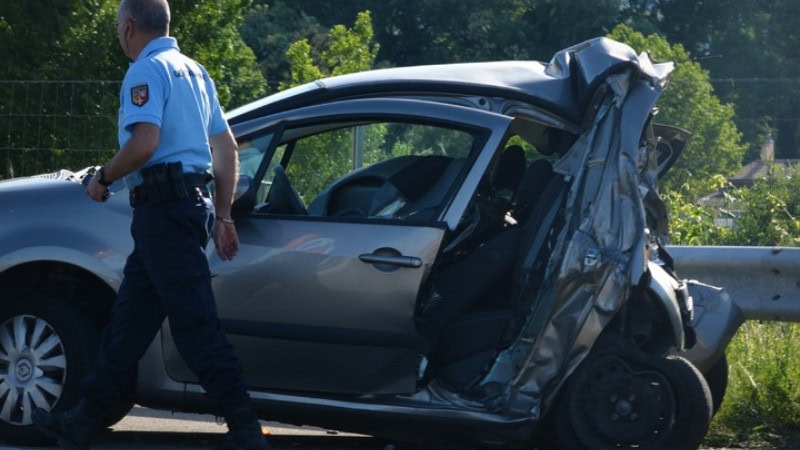
Beyond vehicle damage, brake checking significantly increases the risk of serious injuries such as whiplash, head trauma, and spinal injuries. What feels like a small reaction in the moment can have long-lasting consequences for everyone involved.
Safer Alternatives to Brake Checking (What to Do Instead)
When another driver is following too closely, reacting calmly is always safer than hitting the brakes. Brake checking escalates the situation, while defensive driving reduces risk. One of the safest options is to gradually slow down by easing off the accelerator, giving the driver behind more time to react without creating a sudden hazard.
Changing lanes when it’s safe to do so is another effective solution, especially on multi-lane roads and highways. Allowing aggressive drivers to pass removes you from a dangerous situation instead of turning it into a confrontation. Increasing your own following distance also helps create space and reduces stress.
If the behavior continues, pulling over in a safe, public area can be the smartest move. Staying calm and predictable protects you legally and physically—and keeps a bad situation from becoming a serious accident.
How to Protect Yourself Legally
Protecting yourself on the road isn’t just about driving skill—it’s also about avoiding legal trouble. One of the best steps drivers can take is to use a front- and rear-facing dash cam, which can provide clear evidence in the event of a traffic incident. Video footage often makes the difference when a fault is disputed.
Driving predictably is another key factor. Sudden or emotional reactions can be misunderstood and used against you in police reports or insurance claims. Keeping your brake lights in proper working order and maintaining your vehicle also helps prevent confusion after an incident.
If you encounter aggressive driving, avoid engaging. Let the driver pass and document the situation safely if needed. Staying calm and focused not only reduces accident risk but also protects you from being blamed for someone else’s reckless behavior.
Final Verdict: Is Brake Checking Worth the Risk?
Brake checking might feel like a quick way to deal with a tailgater, but the risks far outweigh any momentary satisfaction. In most situations, sudden, intentional braking is considered unsafe and may be treated as reckless or aggressive driving. If a crash occurs, the driver who brake-checks may face tickets, be found at fault in the accident, face higher insurance costs, or even face criminal charges.
Beyond the legal consequences, brake checking puts everyone on the road in danger. Traffic moves safely when drivers are predictable, calm, and focused on avoiding conflict. Choosing defensive driving—rather than reacting emotionally—protects you, your passengers, and other drivers.
The safest and smartest move is simple: don’t brake check. Create space, let aggressive drivers pass, and keep your driving smooth and controlled. It’s the best way to stay safe and avoid unnecessary trouble.
Frequently Asked Questions (FAQs)
Is brake-checking considered road rage?
Yes, brake checking is often classified as a form of road rage or aggressive driving because it’s an intentional act meant to intimidate another driver.
Is brake checking illegal on highways?
In most states, yes. High-speed roads make sudden braking especially dangerous, so law enforcement takes brake checking on highways very seriously.
Who is at fault if someone brake checks me and I crash?
Fault depends on evidence. If intentional braking is proven, the brake-checking driver may be partially or fully responsible—even in a rear-end collision.
Can brake checking raise my insurance rates?
Yes. Insurance companies view brake checking as high-risk behavior, which can lead to denied claims or higher premiums.
What should I do if someone is tailgating me?
Stay calm, avoid sudden braking, and safely change lanes or let the driver pass when possible.
In summary, brake-checking is a high-risk driving behavior that can quickly lead to legal trouble, insurance complications, and liability for accidents. While some drivers see it as a response to tailgating, the law generally treats brake-checking as reckless or aggressive driving. Understanding the legal definition, state enforcement, and accident consequences of brake checking can help you make safer choices and avoid penalties. The best strategy is always to stay calm, drive predictably, and use defensive driving techniques to handle aggressive drivers and stay safe on the road.