
The transmission is as important as the vehicle engine because the car will not move from point A to point B without it. It is also a critical car component that needs proper maintenance for optimum performance. The maintenance of the tranny revolves around the fluid.
The transmission fluid lubricates internal components, prevents them from overheating, and reduces friction between reciprocating parts. It plays the same role as engine oil. However, under normal driving conditions, the tranny fluid will be filled with grime, dirt, debris, and metal shavings.
Once this happens, you’ll either need to flush or change the transmission fluid for optimal performance. So, should I get a transmission flush or a change? This article will explain the difference between transmission flush and change and outline their pros and cons. So, grab a seat and have 5 minutes to read.
What is a transmission flush?
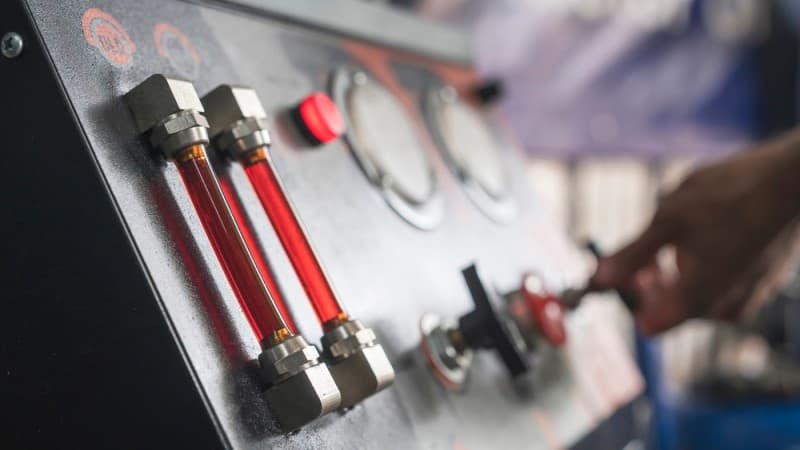
A transmission flush removes all old tranny fluid, grime, metal shavings, and sludge, and refills the transmission with new fluid. As reiterated above, the main work of the tranny fluid is to cool the tranny and prevent it from overheating.
Over time, the tranny fluid will attract grime and metal shavings, which can underperform or stop performing their job effectively. This will result in excessive friction and heat within the transmission unit. Unfortunately, these grime and metal shavings will cause sludge buildup and affect acceleration and gear shifting.
The transmission flush is not only about removing old fluid, but also about removing the particles and buildup in the tranny unit. In any case, you can perform a transmission flush without changing the filter. However, before you decide whether to flush or change the transmission fluid, you need to consider the pros and cons of each.
Pros of a transmission flush
- A transmission fluid flush will completely remove old fluid, sludge, and other particles.
- It enhances the performance
- It has a longer interval between flushes
Cons of a transmission flush
- A Transmission flush price is higher than a fluid change
- Transmission flushing cost
A transmission flush is an in-depth removal and refilling of transmission fluid. As a result, the tranny will run more effectively and smoothly. If you want a full-service transmission flush, it’ll cost you between $150 to $200. This includes the service fee and the cost of the fluid.
Professionals and expert mechanics recommend flushing the transmission fluid every 60,000 miles. But consult your specific owner’s booklet or call your dealership to find out the manufacturer’s opinion.
What is transmission change?

A transmission change allows the car owner or auto mechanic to drain a large portion of the tranny fluid and replace it with new fluid. This is important because it will remove a large portion of the fluid. And in the process, you’ll remove some buildups and particles. However, this will not remove all the old fluid and contaminants.
A transmission change will enable the tranny to run much better. But kindly note that some of the sludge and other particles in the tranny will not be removed. This may prompt you to replace the fluid in a short period. You can add fluid additives to help fight sludge buildups and ensure the tranny runs smoothly.
Consider changing the transmission fluid on time. You would want to check this article – Should I change transmission fluid every 100k miles? Or better still, consult your owner’s manual.
Pros of transmission change
- It will remove a large number of metal shavings and other particles
- It is relatively cheaper than a transmission flush
- Prompts you to change the tranny filter when necessary
Cons of transmission change
- It’ll not remove all the old fluid.
- It may not remove all particles, leading to sludge buildup more quickly.
Cost of transmission change
Whether you want to change an automatic or manual transmission fluid, budget around $100. This includes the service fee and the cost of the fluid. This is cost-effective and beginner maintenance. So, if you’re a DIYer, you can save some bucks by changing the fluid at home. You’ll only pay for the fluid.
Transmission Fluid Flush vs. Change Differences
If you’re still asking, what’s the difference between a transmission flush and a change, then there’s no better way to explain it than using a table. This covers manual and automatic transmission flush vs. change contemplation.
Transmission Fluid Flush vs. Change
| S/N | Transmission Fluid Change | Transmission Fluid flush |
| 1 | Dirty/old tranny fluid is drained from the crankcase | Dirty/old tranny fluid is removed and replaced in the crankcase, cooler lines, and torque converters |
| 2 | It removes most of the old fluid | Transmission flush removes all the old fluid |
| 3 | Transmission change is done with basic hand tools | Transmission flush requires a flush machine |
| 4 | Transmission change is usually done around 30,000 miles | A transmission flush takes longer, requiring around a 60,000-mile interval |
| 5 | Transmission change is cheap | Transmission Flush is relatively costly |
However, some manufacturers do not recommend a transmission flush at all. So, before you choose to flush or change the transmission fluid, find out if your manufacturer recommends a transmission flush.
If you own a Toyota, you may ask, ” Does Toyota recommend a transmission flush? A routine transmission flush is necessary on Toyota cars. The manufacturers recommend changing the transmission fluid every 60,000 to 100,000 miles.

Frequently Asked Questions (FAQs)
Q: Should I do a transmission flush or change?
If you observe signs that you need a transmission flush, you may contemplate whether to change or flush the fluid. A transmission change will help you remove old fluid more easily and cheaply. It is DIY maintenance that you can do at home without professional assistance.
In contrast, the transmission flush will remove all dirty/old fluid and particles in the tranny. Of course, this comes with a premium price. So, you should decide what you want. But before making any decision, determine if your manufacturer recommends a transmission flush for your specific car model.
Q: Will a transmission flush improve shifting?
The transmission is one of the car’s powerhouses, and vehicles shift gears through it. They operate effectively at a moderate temperature and require transmission fluid for proper lubrication. Since your transmission operates around the clock as you hit the road, its internal components will experience wear and tear over time.
This will cause debris and particles to enter the fluid. If you continue to run with contaminated transmission fluid, it’ll affect shifting performance. In such a case, changing or flushing the transmission will improve shifting, among other things.
Q: Should I flush my transmission if it’s never been changed?
Technically, it is not advisable to flush a transmission that has not been changed before. If the transmission fluid is too dirty, changing it will be okay. Kindly note that your transmission can start slipping after changing the fluid, even if it wasn’t slipping before.
Here’s why I said so. If the transmission fluid has not been changed before, it may contain some particles and metal shavings. And these contaminants may be serving as a seal in some areas. A flush will remove these particles with pressure and cause leaks.
Whichever method you choose, consult your owner’s manual to determine whether it is compatible with your specific car model.
Q: Can transmission flush damage?
Transmission fluids have good cleaning additives. These cleaning properties can wash off varnish from the clutch packs, leading to clutch slippage.
On the other hand, flushing the tranny with a machine can damage old or weak seals, leading to hydraulic problems or fluid leaks.
Q: Should you flush a high-mileage transmission?
While changing or flushing transmission fluid is important, it is risky for some high-mileage cars. If your old car is still running fine with the factory fluid, there’s no need to change it. If you change it, it may result in an unexpected failure. Again, flushing transmission on a high-mileage car will damage weak seals and cause severe leaks. “Sometimes, there’s no best oil than old oil.”
Final Words
By now, you have seen the differences and similarities covered in the Transmission Fluid flush vs. change discussion. While both remove dirt, debris, and particles from the transmission and enhance performance, some manufacturers do not recommend changing or flushing the transmission.
So, always check the owner’s booklet to see the manufacturer’s recommendation before attempting either of the two for the fluid.
Finally, do not flush high-mileage cars. The flush may damage aging seals, causing hydraulic problems and leaks. Instead, change the transmission fluid.
