
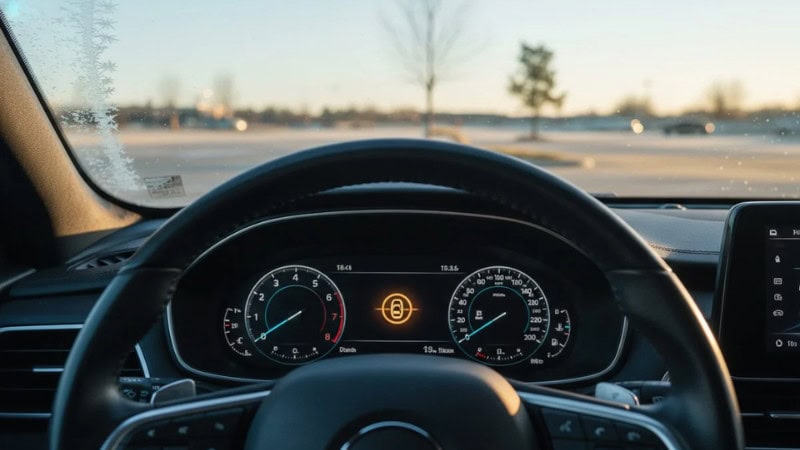
The TPMS (Tire Pressure Monitoring System) light alerts you to low tire pressure, helping ensure safe driving and improved efficiency. Yet, even after inflating tires to the correct PSI, the light may remain on.
This issue can be confusing and easy to ignore, but it shouldn’t be. Driving with incorrect tire pressure—or a faulty TPMS—can lead to poor handling, uneven tire wear, reduced fuel economy, and even blowouts in extreme cases.
Now that you know why the TPMS light can stay on, let’s examine the main reasons it might not turn off after inflating your tires. We’ll also cover step-by-step solutions and how to spot when it signals a bigger issue.
What Is TPMS and How Does It Work?
The Tire Pressure Monitoring System (TPMS) alerts you when your tire pressure is low, helping prevent unsafe driving conditions and improving tire life and fuel efficiency.
Direct TPMS vs. Indirect TPMS
There are two main types of TPMS systems:
- Direct TPMS: This system uses pressure sensors in each tire to measure tire pressure in real time. If one or more tires fall below the set threshold, the TPMS warning light turns on immediately.
- Indirect TPMS: Instead of sensors, this system uses wheel speed data from the ABS system. When a tire loses pressure, its diameter changes, causing it to rotate differently. The system detects this and triggers the low tire pressure warning.
How TPMS Sensors Monitor Tire Pressure
In a direct system, each wheel has a small TPMS sensor attached to the valve stem or inside the rim. These sensors continuously send pressure data to your car’s computer. If the pressure drops about 25% below the recommended PSI, the system activates the dashboard warning light.
Why the TPMS Light Turns On
The TPMS light usually comes on due to:
- Low tire pressure in one or more tires
- Sudden temperature drops affecting PSI
- A slow air leak or puncture
- Faulty or dead TPMS sensor
Why Is My TPMS Light Still On After Filling Tires?
If your TPMS light won’t turn off after filling tires, there’s usually an underlying issue beyond just low pressure. Here are the most common causes every driver should know:
Incorrect Tire Pressure
Even if you added air, the pressure might still be off. Overinflating or underinflating—especially if you don’t follow the recommended PSI on the door sticker—can keep the tire pressure low.
Temperature Changes
Tire pressure changes with temperature. A sudden shift can still trigger the TPMS light, even after inflating the tires.
TPMS Needs Reset
Some vehicles don’t reset automatically. After adjusting tire pressure, the system may require a manual TPMS reset or a short drive for recalibration.
Faulty TPMS Sensor
TPMS sensors have built-in batteries that wear out over time (typically 5–10 years). A bad sensor can keep the TPMS light on even when the tires are fine.
Spare Tire Pressure Issue
Some cars monitor the spare tire; if it’s low, the warning light stays on even if the main tires are properly inflated.
Tire Rotation or Replacement
After rotating or replacing tires, the system may lose track of sensor positions. This often requires a TPMS relearn procedure.
Slow Air Leak
A small puncture, damaged valve stem, or bead leak can cause pressure to drop again after filling. This leads to a recurring issue: the TPMS light stays on.
Understanding these causes will help you quickly diagnose why your TPMS light remains on after inflating your tires and guide you to the right fix.
How to Fix the TPMS Light That Won’t Turn Off
If your TPMS light stays on after filling tires, follow these proven steps to fix it quickly and safely:
Check and Adjust All Tires
Start by using a reliable tire pressure gauge to check all tires, including the spare. Adjust to the manufacturer’s recommended PSI (found on the driver’s door sticker), as incorrect pressure may keep the warning light on.
Drive the Vehicle
After adjusting the pressure, take the car for a 10–20 minute drive at a steady speed. Many systems automatically recalibrate during normal driving, which can turn off the TPMS light.
Reset TPMS System
Some vehicles require a manual reset:
- Turn the ignition ON (without starting the engine)
- Press and hold the TPMS reset button (usually under the dash or steering column)
- Wait until the light blinks and turns off.
This step is key if your TPMS light won’t reset automatically.
Inspect for Leaks
If the light comes back, check for slow leaks. Look for nails, tire cracks, or a leaking valve stem. Even a small leak can cause the low tire pressure warning to return.
Scan for TPMS Codes
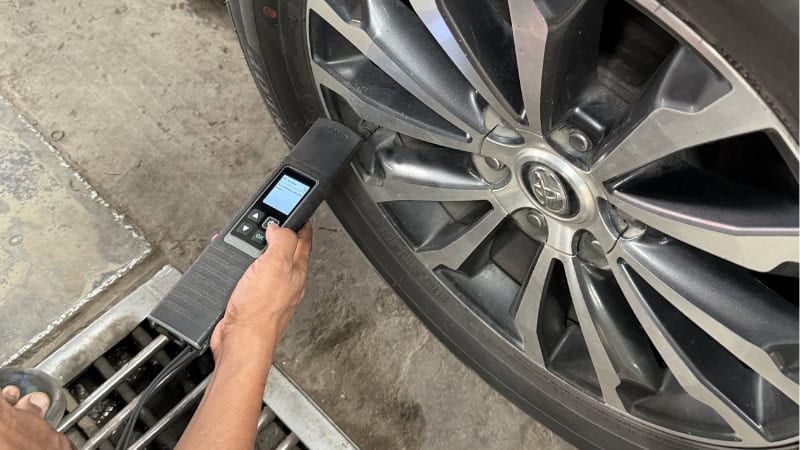
If everything looks fine, use an OBD2 scanner with TPMS capability. This helps detect a faulty TPMS sensor, sensor battery failure, or communication issue.
Following these steps will resolve most TPMS light-staying-on problems without needing expensive repairs.
When Should You Be Concerned?
A TPMS light staying on isn’t always urgent—but in some cases, it’s a warning you shouldn’t ignore. Knowing the difference can save you from bigger problems down the road.
TPMS Light Flashing Then Staying Solid
If the light blinks for about 60–90 seconds and then stays on, it usually means a TPMS system fault, not just low tire pressure. This often points to a bad TPMS sensor, a dead battery, or a communication issue.
Light Keeps Coming Back
If you reset the system and the TPMS warning light keeps returning, there’s likely a slow air leak, puncture, or incorrect tire pressure. Ignoring this can lead to uneven wear and reduced tire life.
Poor Handling or Uneven Tire Wear
If you notice steering feels off, vibration, or uneven tread wear, don’t ignore the warning. These are signs of improper tire pressure, which can affect braking and stability.
Drop in Fuel Economy
Underinflated tires create more rolling resistance, which means your engine has to work harder. If you notice a sudden drop in fuel efficiency accompanied by the TPMS light, it’s time to inspect the system.
Take action now: inspect your TPMS, check your tires and sensors, and fix the issue promptly. Don’t wait—quick action ensures safer driving and helps you avoid costly repairs.
Cost to Fix TPMS Issues
Fixing a TPMS light that won’t turn off can be simple or slightly costly, depending on the root cause. Here’s a realistic breakdown of common repairs:
| Problem | Estimated Cost |
| Tire pressure adjustment | Free |
| Tire leak repair (patch/plug) | $10–$30 |
| Valve stem replacement | $10–$25 |
| TPMS sensor replacement | $50–$150 per sensor |
| TPMS relearn/reset service | $20–$50 |
In most cases, a low tire pressure issue or a small leak is the cause of the TPMS warning light, which is inexpensive to fix. However, if a TPMS sensor’s battery dies (which is common after several years), the only solution is to replace it.
Solve your TPMS light issue early for better safety, longer tire life, and less expense.
Pro Tips From a Mechanic
When it comes to dealing with a TPMS light that won’t turn off, a few simple habits can save you time, money, and headaches down the road.
First, always check your tire pressure when the tires are cold—preferably in the morning. Heat from driving can give you a false reading and lead to incorrect PSI, which may keep the tire pressure monitoring system off.
Second, don’t ignore aging sensors. Most TPMS sensors last about 5–10 years, and their internal batteries eventually die. If you’re already replacing tires, it’s smart to consider replacing the sensors at the same time to avoid future issues.
Also, make it a habit to inspect your tires regularly for slow leaks, uneven wear, or valve stem damage. These small problems often trigger the TPMS warning light.
Take control of your TPMS—check your system today and commit to routine tire care. Your proactive action will keep you safe on the road.
FAQs
Why is my TPMS light on, but the tires are fine?
If your TPMS light is on but tire pressure looks normal, the issue is often a faulty TPMS sensor or a system that needs recalibration. Sensors can fail due to a dead battery, damage during tire service, or signal issues. In some vehicles, the system may also need a manual reset after adjusting tire pressure. Temperature changes can also affect readings, leading the system to think the pressure is low when it’s actually within range. Using a TPMS scan tool can help quickly identify the exact problem.
How long does it take for TPMS to reset?
In many vehicles, the TPMS resets automatically after about 10–20 minutes of steady-speed driving. This allows the system to relearn the correct tire pressure values. However, some cars require a manual TPMS reset procedure, especially after tire rotation or replacement. If the light doesn’t go off after driving, there may be an issue like incorrect pressure, a slow leak, or a faulty sensor.
Can I drive with the TPMS light on?
Yes, you can drive with the TPMS warning light on, but it’s not recommended for long. The light indicates a possible low tire pressure or system fault, which can affect handling, braking, and tire lifespan. Driving with underinflated tires increases the risk of blowouts and poor fuel economy. It’s best to check and fix the issue as soon as possible to avoid safety risks.
Does TPMS reset itself automatically?
In many modern vehicles, the TPMS resets automatically after correcting tire pressure and driving for a short distance. However, some systems require a manual reset or relearn procedure using a button or scan tool. If your TPMS light won’t turn off automatically, it could indicate a deeper issue, such as a faulty sensor or incorrect pressure settings.
Conclusion
A TPMS light staying on after filling tires can be frustrating, but in most cases, the fix is simple. It often comes down to incorrect tire pressure, temperature changes, or a system that needs resetting. However, issues like a slow air leak or a faulty TPMS sensor can also keep the light on and shouldn’t be ignored.
The key is to check all tires properly, follow the recommended PSI, and reset the system if needed. If the tire pressure light won’t turn off, take it as a warning—not just an annoyance. Addressing the problem early helps prevent uneven tire wear, poor handling, and reduced fuel economy.
Stay proactive with your tire maintenance, and your TPMS system will keep you safe on the road while helping you avoid costly repairs down the line.
