
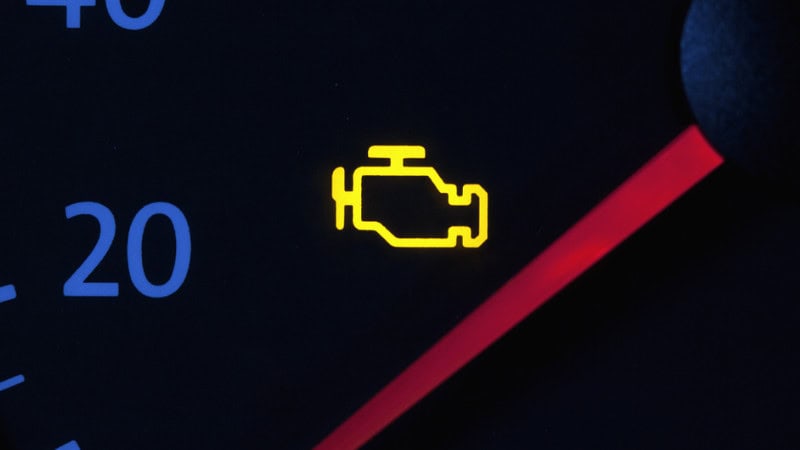
Seeing the check engine light on while your car runs fine is one of the most confusing situations for drivers. The vehicle starts normally, accelerates smoothly, and doesn’t make any strange noises—so it feels like nothing is wrong. That’s exactly why many people ignore the warning, assuming the system is being overly sensitive or triggered by a minor glitch.
But here’s the critical part: running fine doesn’t always mean no problem. Modern cars rely on dozens of sensors that monitor emissions, fuel mixture, airflow, and engine efficiency. When one of those values drifts out of its normal range, the computer can detect an issue long before you feel any symptoms behind the wheel.
The good news is that this situation is often not an emergency. In many cases, the cause is minor and inexpensive to fix. Still, ignoring the light completely isn’t smart either. Think of it as an early warning—one that gives you time to act before a minor issue turns into a costly repair.

What the Check Engine Light Actually Does
The check engine light is controlled by your car’s engine control unit (ECU), which acts as the brain of the vehicle. The ECU constantly receives data from sensors throughout the engine and emissions system—monitoring factors such as fuel mixture, airflow, exhaust gases, and combustion efficiency. When the ECU detects a reading outside its programmed limits, it stores a diagnostic trouble code and turns on the check engine light to alert the driver.
That’s why the light can come on even when there are no noticeable symptoms. Many problems start small, especially sensor-related or emissions issues, and don’t immediately affect how the car drives. The system is designed to catch these early, often before performance, fuel economy, or reliability takes a hit.
It’s also important to understand the difference between a solid and a flashing check engine light. A solid light usually indicates a non-urgent issue that should be checked soon, but doesn’t require immediate stopping. A flashing light, on the other hand, signals a serious problem—often a misfire that could damage the catalytic converter—and means you should reduce driving and get the car inspected right away.
Can You Safely Drive When the Car Feels Normal?
In many cases, yes—you can continue driving for a short time even with the check engine light on, and the car feels completely normal. If the light is solid, the engine is running smoothly, and there are no warning signs like shaking, power loss, or strange smells, the issue is often related to emissions or a non-critical sensor. This gives you some breathing room to plan a proper diagnosis rather than panic.
However, ignoring the light becomes risky when new symptoms appear. Rough idling, hesitation, poor fuel economy, hard starting, or a light that begins to flash are all signs that the problem is getting worse. At that point, continued driving can lead to expensive damage, especially to components like the catalytic converter.
The difference between short-term and long-term consequences is key. Short-term driving usually won’t cause harm, but long-term neglect can turn a simple fix into a major repair. What starts as a small sensor issue can eventually affect engine efficiency, emissions compliance, and overall reliability.
Most Common Reasons the Car Runs Fine, but the Light Is On
This is one of the most searched and misunderstood situations among US drivers. Modern vehicles are extremely sensitive to small changes in sensor data and emissions performance. That means the check engine light can turn on even when the car feels perfectly normal to drive. In many cases, the issue starts small, doesn’t affect drivability right away, and gives you an early warning before things get worse.
Below are the most common causes. We’ll break each one down separately with short, clean explanations as you give them part by part.
- Loose or faulty gas cap
- Failing oxygen (O2) sensor
- Mass Air Flow (MAF) sensor issues
- EVAP system leaks
- Aging spark plugs or ignition coils
- Minor sensor communication glitches
Loose or Faulty Gas Cap
This is one of the most common and simplest reasons the check engine light comes on, while the car still runs fine. A loose, cracked, or missing gas cap allows fuel vapors to escape, which the ECU detects as an emissions leak. Since it doesn’t affect engine performance, you won’t feel any difference while driving—but the light stays on until the system seals properly or the code is cleared.
Failing Oxygen (O2) Sensor
An oxygen sensor monitors the amount of oxygen in the exhaust to help the engine adjust the air-fuel mixture. When it starts failing, the engine can still run smoothly, especially at first. However, incorrect readings can slowly hurt fuel economy and emissions, triggering the check engine light long before noticeable drivability issues appear.
Mass Air Flow (MAF) Sensor Issues
The MAF sensor measures the amount of air entering the engine. If it becomes dirty or starts to give inaccurate readings, the ECU may detect an airflow imbalance even though the engine feels normal. Early-stage MAF problems often won’t cause rough driving but will turn on the check engine light as a warning.
EVAP System Leaks
The EVAP system prevents fuel vapors from escaping into the atmosphere. Small leaks—such as cracked hoses, a faulty purge valve, or sealing issues—won’t affect how the car drives. That’s why the vehicle feels fine, but the emissions system detects a leak and triggers the check engine light.
Aging Spark Plugs or Ignition Coils
Worn spark plugs or weakening ignition coils can still fire well enough to keep the engine running smoothly under light conditions. However, the ECU may detect slight misfires or inefficient combustion patterns. These minor issues often don’t cause shaking or power loss right away, but are enough to turn the light on.
Minor Sensor Communication Glitches
Modern vehicles rely on constant communication between sensors and the ECU. Sometimes, temporary voltage drops, software hiccups, or aging connectors cause brief data irregularities. The car may run perfectly, but the ECU stores a fault code and illuminates the check engine light as a precaution.
Problems That Start Small but Get Expensive If Ignored
A check engine light that seems harmless can still lead to serious real-world consequences if it’s ignored for too long. Many of these problems don’t affect drivability right away, but they quietly create trouble over time.
Catalytic converter damage is one of the most significant risks. Issues such as an improper air-fuel mixture or repeated minor misfires can cause the converter to overheat. Once it’s damaged, replacement can cost thousands of dollars.
Poor fuel economy over time is another hidden cost. When sensors feed incorrect data to the ECU, the engine often burns more fuel than necessary. You may not feel it while driving, but you’ll definitely notice it at the gas pump.
Emissions test failure can become a legal and practical problem. In many states, a vehicle with an active check engine light will automatically fail emissions inspection. If the car fails inspection, it may not be legally registered or driven on public roads until repairs are made, and continued operation may result in fines or penalties under local laws.
Lastly, long-term engine wear can result from minor issues left unaddressed. Sensors that are slightly off can cause inefficient combustion, increasing stress on internal components and reducing engine life over time.
How to Check the Problem the Smart Way
When the check engine light comes on, but the car still runs fine, the key is to approach the situation logically rather than guess. A calm, step-by-step check helps you understand what the car is trying to tell you and prevents unnecessary repairs or wasted money.
Step 1: Read the code with an OBD-II scanner.
The check engine light means the ECU has stored a diagnostic trouble code. Pulling that code is the first smart move. Whether you use a free scan at an auto parts store or your own scanner at home, this step gives you direction and removes uncertainty.
Step 2: Use the code as guidance, not a final answer.
A trouble code identifies the system that triggered the warning, not always the exact failed part. In many cases, the code is a symptom, and the real cause may be a related issue such as a small leak, a dirty sensor, or a weak electrical connection.
Step 3: Know the limits of free scans.
Free scans help identify the issue category, but they don’t confirm the root cause. They usually don’t analyze live engine data or test components under real conditions, which is why replacing parts based only on code can lead to repeated problems.
Step 4: Choose professional diagnostics when needed.
If the light keeps coming back, multiple codes appear, or you want certainty instead of trial and error, professional diagnostics are worth it. A trained technician can verify the actual problem, confirm the fix, and ensure the issue doesn’t recur.
Should You Reset the Check Engine Light?
Resetting the check engine light can make sense in certain situations, especially after you’ve addressed a simple issue. If the light came on due to a loose gas cap, a temporary sensor hiccup, or a one-time low-voltage event, clearing the code after fixing the cause is reasonable. In these cases, the light often stays off once the system confirms everything is back within normal limits.
Resetting the light without fixing the underlying problem, however, is risky. Clearing the code only turns the warning off—it doesn’t repair anything. If the issue persists, the ECU will detect it again and turn the light back on, sometimes after a few drive cycles. Worse, ignoring the root cause can allow minor problems to grow, potentially leading to poor fuel economy, emissions failures, or expensive component damage over time.
After a reset, the ECU goes through a relearning process. It monitors sensor data during normal driving to verify that all systems are operating correctly. This is why the light may stay off for a while before returning. The relearn period helps confirm whether the problem was truly resolved or if further diagnosis is needed.
When You Should NOT Ignore the Check Engine Light
While a solid check engine light with normal driving behavior often isn’t urgent, there are situations where ignoring it can lead to serious damage. Certain warning signs mean the problem has crossed from “monitor it” to “act immediately,” even if the car still moves.
If the check engine light starts flashing, it’s a serious warning. This usually indicates an active misfire that can quickly damage the catalytic converter. Continuing to drive in this condition can turn a manageable repair into a very expensive one, so reducing driving and getting the car checked right away is critical.
A loss of power, rough idle, or noticeably poor fuel mileage is another red flag. These symptoms suggest the engine is no longer operating efficiently, and the issue is now affecting performance. At this point, the problem is no longer just a stored code—it’s actively impacting how the engine runs.
Burning smells, knocking sounds, or hesitation during acceleration should never be ignored. These signs indicate mechanical stress, improper combustion, or overheating. Driving through these symptoms can cause permanent engine or exhaust system damage and should be addressed immediately.
How Mechanics Look at This Situation
When a car comes in with the check engine light on but no obvious drivability complaints, experienced mechanics don’t panic—and they don’t guess. They see it as an early warning, not a breakdown. The first goal is to understand why the ECU set the code and whether it’s a developing issue or a one-time event.
Technicians look beyond the code itself and focus on patterns and data. They check how long the code has been present, whether it’s intermittent, and what the sensor readings look like under real driving conditions. A smooth-running engine with a stored emissions or sensor code often means the problem is still in its early stage, which is actually the best time to catch it.
From a mechanic’s perspective, this situation is about prevention over reaction. Fixing a small issue early is easier, cheaper, and smarter than waiting for symptoms to appear. That’s why pros treat a “runs fine but light is on” car as an opportunity to protect the engine—not something to ignore or rush blindly into repairs.
Preventing Future Check Engine Light Surprises
Most check engine light issues that seem to come out of nowhere are actually preventable with consistent care. Small maintenance habits go a long way in keeping sensors, emissions components, and engine systems working within their normal ranges. Things like properly tightening the gas cap, using quality fuel, and keeping up with scheduled service help prevent unnecessary warning lights.
Regular maintenance also protects sensitive sensors from contamination and wear. Dirty air filters, old spark plugs, and neglected oil changes can slowly affect engine data readings, even if the car still feels fine. Over time, these small issues add up and trigger the check engine light as the ECU tries to protect efficiency and emissions.
The biggest advantage of prevention is cost control. Addressing minor issues early reduces the chances of expensive repairs later, such as catalytic converter failure or persistent emissions problems. When maintenance is done on time, the check engine light becomes a rare alert—not a recurring frustration.
FAQs
Why is my check engine light on, but nothing feels wrong?
Modern vehicles are designed to detect problems early, often before the driver can feel anything. The check engine light can turn on due to minor emissions issues, slightly out-of-range sensor readings, or minor system faults that don’t immediately affect performance. Just because the car feels normal doesn’t mean the ECU isn’t seeing something that needs attention.
Can a loose gas cap really turn on the check engine light?
Yes, it can. A loose or faulty gas cap allows fuel vapors to escape, which the emissions system detects as a leak. This is one of the most common and least serious causes of a check engine light, but the light won’t turn off until the system confirms the leak is sealed.
How long can I drive with the check engine light on?
If the light is solid and the car runs normally, short-term driving is usually safe. However, it’s not something that should be ignored indefinitely. Driving for weeks or months without diagnosing the issue can lead to poor fuel economy, emissions failures, or expensive repairs later.
Will the check engine light turn off on its own?
Sometimes it does. If the issue was temporary—such as a loose gas cap or brief sensor glitch—the ECU may turn the light off after several successful drive cycles. If the light stays on, the problem is still being detected and should be checked.
Is it safe to ignore the check engine light if the car runs fine?
Ignoring it completely isn’t a good idea. While many causes are minor at first, some can worsen over time. The check engine light is best treated as an early warning, giving you time to fix small issues before they become serious problems.
Conclusion
When the check engine light is on, but the car runs fine, it’s easy to feel unsure about what to do next. The truth is, this warning doesn’t always mean something is about to break—but it also shouldn’t be ignored. Modern vehicles are designed to alert drivers early, often before a minor issue becomes a major repair.
The smartest approach is balance. Stay calm, get the code checked, and understand what the car is telling you instead of guessing or panicking. Many causes are minor and affordable when addressed early, but delaying action can lead to higher costs, failed emissions tests, or long-term engine damage.
Think of the check engine light as a heads-up, not a threat. When you respond to it the right way—early diagnosis, smart decisions, and timely repairs—you protect your car, your wallet, and your peace of mind.
