
Modern vehicles depend on electrical systems, so problems can be confusing. Symptoms range from cars that won’t start to flickering headlights or warning lights. Fortunately, most issues follow patterns and can be diagnosed with a clear approach.
Drivers often replace parts like batteries or alternators without testing, wasting money as the problem remains. Proper diagnosis involves tracing how power flows, where it’s lost, and why a component isn’t receiving voltage.
This guide shows how mechanics diagnose electrical issues in cars. We’ll cover key symptoms, required tools, and testing methods for most vehicles. Whether you’re a DIYer or want to understand your mechanic, this guide helps spot problems early and avoid unnecessary repairs.

Common Signs of Car Electrical Problems
Electrical problems usually give warning signs before major failures. Spotting these symptoms early helps diagnose issues faster and prevents being stranded. Electrical issues often appear randomly or affect multiple systems simultaneously.
One of the most common signs is dim, flickering, or pulsing headlights. This often points to a weak battery, failing alternator, or poor ground connection. If the lights change brightness when you rev the engine, the charging system should be checked immediately.
Dashboard warning lights acting strangely are another red flag. Warning lights that turn on and off randomly, multiple lights appearing at once, or warning lights with no clear mechanical symptoms usually indicate voltage or communication problems within the electrical system.
Problems also show as accessories not working: slow windows, failing locks, radio cutting out, or odd interior lights often mean wiring, fuse, or relay issues.
A car that won’t start or stalls unexpectedly can also be an electrical issue. Clicking noises, no-crank conditions, or sudden engine shutdowns may be caused by a weak battery, a bad starter circuit, a faulty ignition switch, or poor electrical connections.
Frequent blown fuses, burning smells, or a battery dying overnight are serious warnings. These signs often indicate short circuits, parasitic draws, or damaged wiring, and should be diagnosed promptly to prevent further damage.
Recognizing these symptoms is the first step toward a precise diagnosis and better repairs.
Basic Electrical System Components (Beginner-Friendly)
Before diagnosing any electrical problem in a car, it’s important to understand the main components involved. Every electrical issue in a vehicle traces back to one or more of these parts. Once you know what each component does, diagnosing problems becomes much easier and more logical.
The battery is the system’s heart. It starts the engine and powers electronics when off. Weak batteries cause cranking, lighting, and electronic issues.
The alternator keeps the battery charged while the engine is running and powers the vehicle’s electrical systems. If the alternator fails or overcharges, the battery may drain, the lights may dim, and the electronic systems can behave erratically.
The starter motor and solenoid are responsible for turning the engine over during startup. Electrical problems here often cause clicking noises, no-crank conditions, or intermittent starting issues.
Fuses and relays protect electrical circuits from overloads. A blown fuse can shut down a specific system, while a bad relay can cause intermittent or complete failure of components like fuel pumps, fans, or headlights.
Wiring harnesses and grounds carry current. Damaged wires, corrosion, loose connectors, or poor grounds are common sources of problems, especially in older cars.PCM) Monitor and control modern vehicle systems. When these don’t receive proper voltage or ground, they can trigger warning lights, error codes, or communication faults.
Understanding these components provides a solid foundation for accurately and efficiently diagnosing car electrical problems.
Tools Needed to Diagnose Car Electrical Problems
Diagnosing electrical problems doesn’t need a professional shop. The right basic tools speed up the job and improve accuracy. Most issues can be found with a few affordable tools.
A digital multimeter is the most important diagnostic tool. It measures voltage, resistance, and continuity. With a multimeter, you can check battery health, alternator output, fuses, grounds, and broken wires. Learn to use one properly for better troubleshooting.
A test light is another simple but powerful tool. A test light is a device that lights up when power is present at a circuit point, quickly showing if electricity is reaching a component. While it’s not as precise as a multimeter, it’s excellent for fast checks on fuses, relays, and basic circuits.
An OBD2 scanner identifies electrical trouble codes from the car’s computer. Many problems trigger codes relating to communication, voltage, or sensors, directing your diagnosis. Even basic scanners can offer valuable clues.
A fuse puller or needle-nose pliers makes checking fuses easier and safer. Visual checks help, but using a multimeter for continuity is more reliable.
Having a vehicle wiring diagram helps greatly. It shows circuits, grounds, and connections, cutting down guesswork and unnecessary replacements.
Always wear safety gear, such as insulated gloves and eye protection, when working on live circuits. vent shorts or damaging electronics.
With these tools, you’re ready to move on to step-by-step electrical diagnostics like a pro.
Step-by-Step – How to Diagnose Car Electrical Problems
Once you understand the basic components and have the right tools, it’s time to methodically diagnose the problem. Professional mechanics always follow a step-by-step process rather than guessing or blindly replacing parts. This approach saves time, money, and frustration.
Check the Battery First
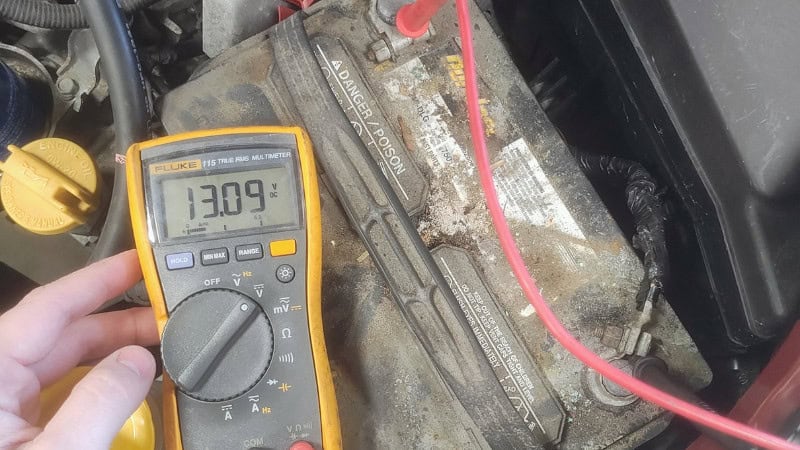
Always start with the battery. Even a slightly weak battery can cause many electrical problems. With the engine off, a healthy battery reads about 12.6 volts. If below 12.4 volts, it may be weak or discharged. Check battery terminals for corrosion, loose connections, or damage, as poor contact can mimic major failures.
Inspect Fuses and Relays
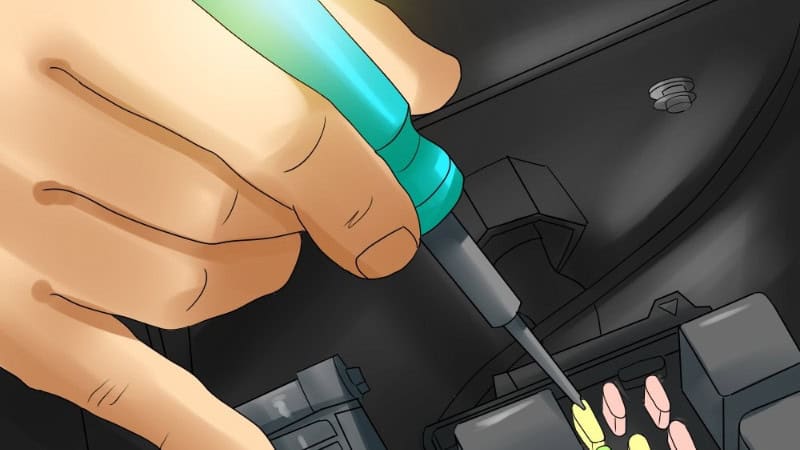
Next, check all fuses and relays. A blown fuse can shut down a system, and a bad relay can cause intermittent or total failure. Don’t rely on visual checks—use a multimeter for continuity. Swapping relays with identical ones can confirm a relay issue.
Test the Alternator Output
With the engine running, check the voltage at the battery terminals. A good alternator produces 13.7 to 14.7 volts. Low voltage means poor charging; high voltage can damage electronics. Unstable readings often indicate alternator or wiring problems.
Check Grounds and Wiring
Bad grounds cause many electrical issues. Inspect ground points for rust, loose bolts, or broken wires. Check wiring harnesses for cracked insulation, rodent damage, or signs of overheating. A single damaged wire can affect multiple systems.
Use an OBD2 Scanner for Electrical Codes
Finally, scan the vehicle for trouble codes. Electrical faults often trigger communication or body codes. Use freeze-frame and live data to see when the fault happens. Codes often signal voltage or wiring issues that need more testing, which is not always a bad thing.
Following this step-by-step process helps you accurately narrow down electrical problems and prevent unnecessary part replacement.

Diagnosing Specific Car Electrical Problems
After completing basic system checks, the next step is narrowing the issue down to a specific electrical fault. Many electrical problems exhibit repeatable symptoms that point directly to their cause when correctly diagnosed.
Car Won’t Start (Electrical Causes)
If the engine doesn’t crank or only clicks when you turn the key, the issue is often electrical. Start by checking battery voltage and terminal connections. A single click usually indicates a weak battery or a faulty starter solenoid, while rapid clicking often indicates low voltage. If the voltage is good, test the starter control circuit and ignition switch for proper power delivery.
Lights Flickering or Dimming
Flickering headlights or interior lights usually indicate charging or grounding issues. Check alternator output and inspect ground connections near the engine, body, and battery. Voltage fluctuations while driving often mean the alternator’s internal regulator is failing or a main ground cable is loose.
Battery Keeps Draining Overnight
A battery that dies overnight typically has a parasitic draw. To test this, connect a multimeter in series with the battery and monitor current draw with the vehicle off. Normal draw is usually under 50 milliamps. Pull fuses one at a time to identify the circuit causing excessive drain. Common culprits include interior lights, faulty modules, and aftermarket accessories.
These targeted diagnostic steps help pinpoint the exact cause of electrical problems and guide you toward the correct repair instead of unnecessary part replacement.
Common Mistakes When Diagnosing Car Electrical Issues
Car electrical problems are often misdiagnosed because they don’t behave like traditional mechanical failures. Many DIYers and even some technicians make simple mistakes that lead to wasted time, unnecessary parts replacement, and ongoing issues.
One of the most common mistakes is replacing parts without testing them first. Swapping batteries, alternators, sensors, or control modules without confirming the fault rarely fixes the problem. Electrical diagnosis should always be based on voltage, resistance, and continuity testing—not assumptions.
Another major mistake is ignoring ground connections. A poor ground can cause multiple unrelated symptoms, from warning lights to sensor failures. Many people focus only on the power supply and forget that electricity must return through a solid ground path.
Using the wrong multimeter setting is also a frequent error. Testing resistance on a live circuit or measuring voltage incorrectly can lead to false readings and confusion. Always select the correct function and range before testing.
Overlooking wiring diagrams can turn a simple diagnosis into a guessing game. Wiring diagrams show how circuits are connected and where to test. Skipping this step often leads to checking the wrong components.
Finally, many people misinterpret diagnostic trouble codes. A fault code doesn’t automatically mean the part is bad. Codes often point to circuit issues, voltage problems, or communication failures rather than failed components.
Avoiding these mistakes makes electrical diagnosis faster, safer, and far more accurate.
When to Fix It Yourself vs Visit a Mechanic
Not every electrical problem in a car requires a professional shop visit, but knowing your limits is important. Some electrical checks are safe and practical for DIY car owners, while others require advanced tools and experience to avoid further damage.
You can safely handle basic electrical checks at home, such as testing the battery, inspecting terminals, checking fuses and relays, and scanning for trouble codes. Replacing simple components, such as blown fuses, weak batteries, or corroded ground connections, is usually straightforward and low-risk.
However, more complex electrical issues should be left to a professional mechanic. Problems involving control modules (ECU/PCM), network communication faults, airbag systems, or immobilizers often require advanced scan tools and factory-level diagnostics. Improper testing in these areas can damage expensive electronics.
If electrical problems keep recurring after basic repairs, or if multiple systems fail simultaneously, it’s a strong sign that professional diagnosis is needed. Persistent voltage drops, CAN bus errors, or unexplained battery drains usually require deeper circuit analysis.
Knowing when to stop DIY diagnosis protects your vehicle, saves money in the long run, and ensures electrical repairs are done the first time correctly.
Safety Tips When Working on Car Electrical Systems
Working on a car’s electrical system is generally safe when done correctly, but careless mistakes can damage components or cause personal injury. Following basic safety practices is essential during any electrical diagnosis.
Always disconnect the negative battery terminal before working on wiring, starters, alternators, or control modules. This prevents accidental short circuits and protects sensitive electronics. When reconnecting the battery, make sure all tools are clear of terminals.
Avoid shorting circuits with tools or probes. Never force a multimeter lead into a connector or probe wires without proper back-probing techniques. Accidentally grounding a power wire can instantly blow fuses or damage modules.
Use the correct fuse rating at all times. Installing a higher-amp fuse to “solve” repeated fuse failures can cause wiring to overheat and potentially start a fire. A blown fuse is a warning sign that must be diagnosed, not bypassed.
Keep water and metal objects away from open electrical components. Moisture can create false readings and corrosion, while metal tools can easily short-circuit circuits.
Finally, work in a well-lit area and wear basic protective gear such as gloves and eye protection. Taking a few extra safety steps ensures electrical diagnosis stays safe and damage-free.
Frequently Asked Questions (FAQs)
How do I know if my car problem is electrical?
Electrical problems often cause symptoms such as flickering lights, warning lights turning on randomly, accessories not working, or a car that won’t start with mechanical noise. If multiple systems fail at once or the issue comes and goes, it’s usually an electrical issue.
Can a bad alternator cause electrical problems?
Yes. A failing alternator can undercharge or overcharge the battery, leading to dim lights, warning messages, sensor malfunctions, and even stalling while driving.
What voltage should a healthy car battery have?
A fully charged battery should read about 12.6 volts with the engine off and 13.7–14.7 volts with the engine running.
Can blown fuses cause starting problems?
Absolutely. Certain fuses control the ignition system, fuel pump, or starter relay. A blown fuse in these circuits can prevent the engine from starting.
Is it safe to diagnose car electrical problems at home?
Basic checks like battery testing, fuse inspection, and scanning codes are safe for most DIYers. Avoid probing airbag circuits or control modules without proper knowledge.
How much does an electrical diagnosis cost at a repair shop?
Most shops charge $100–$150 for electrical diagnostics, depending on complexity. Proper diagnosis often saves money by preventing unnecessary parts replacement.
Final Thoughts
Car electrical problems can seem intimidating, but with a clear diagnostic approach, they’re often easier to solve than most people expect. The key is understanding how the electrical system works, starting with simple checks and testing before replacing any parts. Many issues trace back to basic causes like weak batteries, poor grounds, blown fuses, or damaged wiring.
Taking the time to diagnose electrical problems correctly can save you hundreds of dollars and prevent repeat failures. Even if you don’t plan to fix everything yourself, knowing the basics helps you communicate better with your mechanic and avoid unnecessary repairs.
Regular maintenance—such as keeping battery terminals clean, checking grounds, and addressing warning signs early—goes a long way in preventing electrical issues. With the right tools and mindset, diagnosing car electrical problems becomes a practical skill that every car owner can benefit from.
