
Windshield wipers are essential for safe driving, especially during rain, snow, or dusty weather. If your wipers stop working, move very slowly, or get stuck on the glass, a faulty motor is often to blame. This small electric motor powers the wiper linkage, moving the blades and keeping your windshield clear. Proper operation ensures good visibility while driving.
A failing wiper motor shows several warning signs. You may notice wipers that only work at one speed, stop in the middle of the windshield, or make unusual noises. Sometimes the motor stops working completely due to electrical issues, worn parts, or a blown fuse. Catching these signs early can prevent sudden wiper failure in bad weather.
This guide shows you how to fix a windshield wiper motor. Learn to diagnose common problems, check the fuse and wiring, and inspect the linkage. Follow step-by-step instructions to repair or replace the motor. Use these steps to restore wiper operation and drive safely in all weather.
What Does a Windshield Wiper Motor Do?
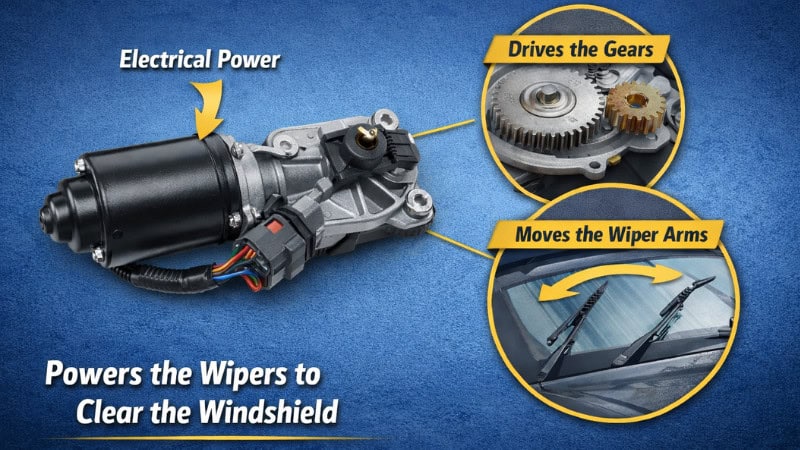
The windshield wiper motor is a small electric motor that powers the wiper system. Its main job is to create mechanical movement, meaning it changes electrical energy into the back-and-forth motion needed to sweep the blades across the windshield. When the driver turns on the wipers, the motor receives electrical power and begins to rotate. This keeps the windshield clear of rain, snow, dust, and other debris.
The wiper motor works with the linkage system. This set of metal arms transfers the motor’s movement to the blades. As the motor spins, the linkage converts it into a side-to-side wiping action. Without this linkage, the blades would not move properly.
The windshield wiper motor is connected to several electrical components, including the switch, fuse, and relay. The switch controls the wiper speeds. The fuse protects the circuit, and the relay helps regulate power. Proper wiper operation is critical for driving safely in bad weather.
Common Symptoms of a Bad Windshield Wiper Motor
A failing windshield wiper motor can cause several noticeable problems with the wiper system. Since the motor powers the wiper blades, any malfunction can affect their operation. Recognizing these bad wiper motor symptoms early can help you diagnose the issue before it leads to complete wiper failure, especially during heavy rain or poor weather conditions.
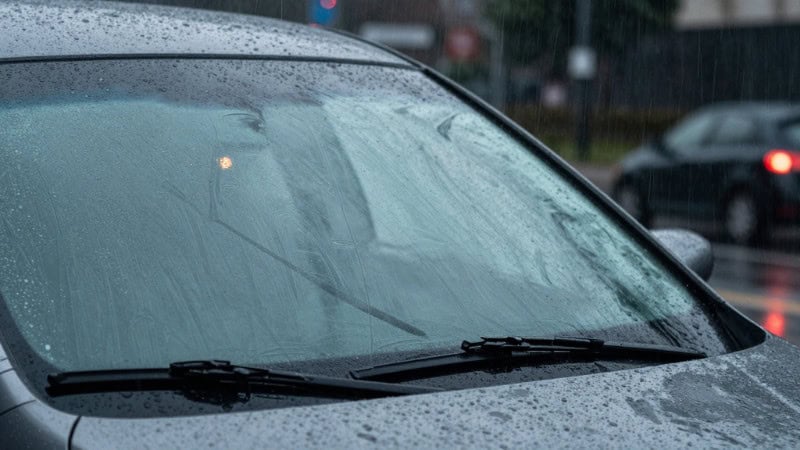
Windshield Wipers Not Moving
One of the most obvious signs of a bad wiper motor is when the windshield wipers stop working completely. You may turn on the wiper switch, and nothing happens. In many cases, this occurs because the motor has failed internally or is no longer receiving power due to electrical problems.
Wipers are moving very slowly.
If your wipers move more slowly than normal, the wiper motor may be weakening or struggling to provide enough power. This problem is especially noticeable during heavy rain when the blades cannot clear the windshield properly. Slow windshield wipers may also indicate internal motor wear or excessive resistance in the system.
Wipers Stop in the Middle of the Windshield
Wipers that stop halfway across the windshield are another sign. They may not return to their normal position. This can happen if the motor loses power while operating or if the park switch fails.
Wipers Work Only on One Speed
Modern wiper motors support multiple speeds, such as intermittent, low, and high. If your wipers only work on one speed, the issue may be related to the motor’s internal circuitry or the control system that manages the speed settings.
Strange Noise From Wiper Motor
Strange noises from the wiper motor, like grinding or clicking, are warning signs. These can mean worn gears or internal damage. If ignored, the motor may eventually fail completely.
Common Causes of Wiper Motor Failure
Several issues can lead to windshield wiper motor failure. Sometimes the motor itself is not the main problem; rather, electrical faults or mechanical issues within the windshield wiper system can prevent it from operating correctly. Understanding these causes of wiper motor failure can help you diagnose the problem quickly and avoid unnecessary part replacements.
Blown Fuse
A blown fuse is a common reason for wiper failure. The fuse protects the wiper motor from electrical overload. If too much current flows, the fuse blows to stop further damage. The wipers will not move until you replace the fuse.
Faulty Wiper Relay
The wiper relay controls the electrical power sent to the wiper motor. If the relay fails, the motor may not receive enough power or stop working completely. In some cases, a faulty relay can cause the wipers to operate inconsistently or only at certain speeds.
Damaged Wiring or Loose Connector
Another common electrical problem with windshield wipers is damaged wiring or a loose electrical connector. Corrosion, broken wires, or poor connections can interrupt the flow of electricity to the motor. When this occurs, the wipers may stop suddenly, work intermittently, or fail to operate at all.
Burned Out Wiper Motor
Over time, the wiper motor can wear out from constant use. Internal components such as brushes or gears may fail, causing the motor to stop working. When the motor is completely burned out, the only solution is usually to replace it.
Broken Wiper Linkage
Sometimes the motor works fine, but the wiper linkage is broken or disconnected. The linkage connects the motor to the wiper arms and converts the motor’s rotation into the sweeping motion of the blades. If this mechanism breaks, the motor may run, but the wipers will not move.
Tools Needed to Fix a Windshield Wiper Motor
Before starting repairs, gather the right tools. The proper equipment makes diagnosing and fixing the wiper motor easier and safer. Most required tools are common and already found in many garages.
- Socket Set (a set of wrenches for bolts)
- Screwdrivers (tools for turning screws)
- Multimeter (a device for measuring electrical voltage and current)
- Trim Removal Tool (a tool used to gently remove parts of the car’s plastic panels)
How to Fix Windshield Wiper Motor (Step-by-Step)
Fixing a windshield wiper motor usually involves checking the electrical system and inspecting the mechanical components of the wiper assembly. Before replacing the motor, it’s important to properly diagnose the issue, as problems like a blown fuse or a broken linkage can also cause the wipers to stop working. Follow these steps to troubleshoot and repair the problem.

Step 1 – Check the Wiper Fuse
Locate your vehicle’s fuse box, usually under the dashboard or in the engine bay. Use the manual to find the wiper fuse. Remove it and check if the metal strip is broken or burned. If it is, replace the fuse. A new fuse may get the wipers working right away.
Step 2 – Inspect the Wiper Relay
The wiper relay powers the wiper motor. If the relay fails, the motor may not receive electricity. Locate the relay in the fuse or relay box and test it by swapping it with another relay of the same type from the box. If the wipers start working after the swap, the original relay was faulty and should be replaced.
Step 3 – Test the Wiper Motor With a Multimeter
If the fuse and relay are working properly, the next step is to test the wiper motor’s power supply. Disconnect the motor connector, then use a multimeter to check for voltage with the wiper switch on. If power is reaching the motor but the wipers still do not move, the motor itself is likely faulty and needs replacement.
Step 4 – Inspect the Wiper Linkage
Sometimes the motor works, but the wiper linkage system is damaged or disconnected. Open the hood and inspect the linkage that connects the motor to the wiper arms. Look for loose bolts, broken joints, or disconnected linkages. If the linkage is broken, repairing or replacing it may solve the problem without requiring a motor replacement.
Step 5 – Remove the Wiper Motor
If testing confirms that the motor is bad, you will need to remove it. First, disconnect the vehicle battery for safety. Remove the plastic cowl panel near the base of the windshield to access the wiper motor assembly. Then unplug the electrical connector and remove the mounting bolts holding the motor in place. Carefully remove the motor from the assembly.
Step 6 – Install a New Wiper Motor
Install the new windshield wiper motor in the same position as the old one, then secure it with the mounting bolts. Reconnect the electrical connector and ensure the linkage is properly attached. After reassembling the cowl panel and reconnecting the battery, turn on the wipers to confirm that the system works correctly.
How Much Does It Cost to Fix a Windshield Wiper Motor?
The cost of fixing a windshield wiper motor can vary depending on the vehicle type, parts used, and whether you repair it yourself or hire a professional mechanic. In many cases, replacing the motor is the most common solution when it fails. Below is a general breakdown of the typical costs.
DIY Cost Estimate
If you repair the problem yourself, the cost is usually much lower because you only need to pay for the replacement parts. Most aftermarket windshield wiper motors cost around $50 to $150, although some cheaper units may cost less. With DIY installation, the total cost can often range from $50 to $200, depending on the vehicle and the quality of the parts.
Professional Mechanic Cost
When a professional mechanic performs the repair, the total cost increases due to labor charges. Most auto shops charge $50 to $150 per hour for labor, and the replacement process typically takes 1 to 2 hours. As a result, the total repair cost at a repair shop often ranges from $150 to $400 for most vehicles.
Typical Parts Price Range
The price of a windshield wiper motor itself varies depending on the vehicle brand and whether you choose an aftermarket or OEM part. Aftermarket motors generally cost $43 to $385, while OEM parts for luxury vehicles can reach $250 to $600 or more. Overall, including labor, the total replacement cost can range from about $180 to $850 in some cases.
For most everyday vehicles like a Toyota Corolla or Honda Civic, the average total repair cost usually falls between $150 and $350, making it a relatively affordable repair compared to many other automotive components.
Can You Drive With a Bad Wiper Motor?
Driving with a bad windshield wiper motor is not recommended, especially in bad weather conditions. The wiper motor powers the windshield wipers, which clear rain, snow, and debris from the glass. If the motor fails, the wipers may stop working completely, making it very difficult to see the road clearly. Poor visibility can quickly become dangerous, increasing the risk of accidents.
There are also safety risks involved when driving without properly functioning wipers. During heavy rain or storms, the windshield can become covered with water, mud, or dirt within seconds. Without working wipers, drivers may struggle to maintain a clear vision of traffic, road signs, and obstacles. This situation can lead to unsafe driving conditions for both the driver and other vehicles on the road.
In some regions, driving with non-functional windshield wipers may also lead to legal concerns. Many traffic safety regulations require vehicles to have properly working wipers to ensure safe driving during rain or poor visibility. For safety and legal reasons, it is important to fix a faulty wiper motor as soon as possible to keep your vehicle safe and roadworthy.
Tips to Prevent Windshield Wiper Motor Failure
Proper maintenance of your windshield wiper system can help extend the life of the wiper motor and prevent unexpected failures. Since the motor works every time the wipers are used, reducing unnecessary strain on the system is important. Following a few simple maintenance habits can keep your windshield wipers working smoothly for a long time.
Don’t Run Wipers on Dry Glass
Avoid using the wipers on a dry windshield because it creates extra friction between the blades and the glass. This added resistance puts unnecessary stress on the wiper motor and linkage system. If you need to clean dust or dirt from the windshield, use windshield washer fluid before turning on the wipers.
Keep Windshield Clean
Keeping the windshield clean helps the wipers move smoothly across the glass. Dirt, sand, and debris can create resistance, forcing the wiper motor to work harder than normal. Regularly cleaning the windshield reduces strain on the motor and improves overall wiper performance.
Replace Worn Wiper Blades
Old or damaged wiper blades can drag across the windshield instead of gliding smoothly. This increases the load on the wiper motor, potentially leading to premature failure. Replacing worn blades every 6–12 months helps maintain proper wiper operation and protects the motor.
Check Electrical Connections Regularly
Inspect the electrical connections of the windshield wiper system from time to time. Loose connectors, corrosion, or damaged wiring can cause the motor to work intermittently or fail completely. Keeping the wiring and connectors clean and secure ensures the wiper motor operates reliably.
Final Thoughts
The windshield wiper system plays a crucial role in maintaining clear visibility while driving in rain, snow, or dusty conditions. Since the wiper motor is the main component that powers the entire system, any malfunction can quickly affect the performance of your windshield wipers. Ignoring early warning signs such as slow wipers, unusual noises, or wipers stopping mid-sweep can lead to complete failure when you need them the most.
Regular maintenance and early diagnosis can help prevent bigger problems with the wiper system. Checking the fuse, relay, wiring, and wiper linkage can often reveal simple issues that are easy to fix before replacing the motor. Taking the time to inspect these components can save money and ensure that your wipers continue working properly.
If your windshield wipers stop working or show signs of motor failure, it’s important to repair or replace the faulty components as soon as possible. A properly functioning windshield wiper system ensures clear visibility during poor weather, helping you stay safe on the road.
