
Imagine driving with the confidence that you’ve just avoided a $2,000 surprise repair bill for a new catalytic converter. This is possible when you pay attention to a crucial, often overlooked car part: the oxygen (O2) sensor. This small device helps your engine run well, use less fuel, and emit less pollution. It does this by measuring the oxygen content of exhaust gases and sending the information to your car’s computer. The computer balances fuel and air using this data. If the O2 sensor is bad, you might use more gas. Your engine could run rough, and you could produce more pollution. The catalytic converter could even get damaged. Luckily, you can test the O2 sensor before replacing it. This saves both time and money. This step-by-step guide shows how to test an O2 sensor, identify common problems, and avoid replacing parts you don’t need.
What Is an O2 Sensor?
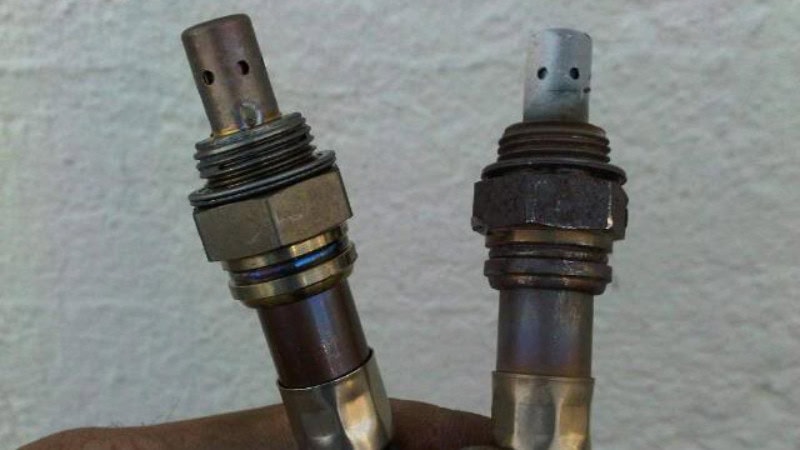
An oxygen sensor, also called an O2 sensor, is an important part of your car’s exhaust system. Its job is to measure how much oxygen remains in the exhaust after burning fuel. It then sends that information to the car’s computer. The computer uses this to manage the air-fuel mixture. This helps with performance, fuel efficiency, and reduced pollution. Working O2 sensors help you pass emissions tests and keep your car running well.
Most new cars have more than one O2 sensor. Sensors before the catalytic converter help control fuel delivery. Sensors after the converter check how well it works. O2 sensors can be narrowband or wideband. Most have heaters to improve response time. To test O2 sensors and avoid replacing the wrong part, you need to know which kind you have, where it is, and what it does.

Signs of a Bad O2 Sensor
A malfunctioning O2 sensor may not immediately alter your car’s performance. However, it usually triggers the check engine light, signaling issues with O2 levels or fuel. Other symptoms include increased fuel consumption, engine roughness, and failure to meet emissions standards. This can lead to unsuccessful inspections. Catching these signs early can prevent costly repairs and protect your catalytic converter.
A faulty O2 sensor can also cause rough idling, delayed acceleration, or a rich engine mixture. You might notice a fuel smell or black smoke. These problems can sometimes mimic engine or exhaust leaks. That’s why testing the O2 sensor before replacing it is important. Early action prevents catalytic converter damage and avoids expensive repairs.
Types of O2 Sensors: What to Know Before Testing
Before testing an O2 sensor, identify the sensor type. Different sensors require different testing methods and exhibit unique voltage or data characteristics. Using the right method ensures accurate diagnosis and helps you avoid costly mistakes.
Narrowband vs. Wideband O2 Sensors
- Narrowband O2 sensors are found on older vehicles. They rapidly switch voltage between rich and lean conditions, usually in the 0.1–0.9V range. These sensors are less precise than wideband sensors but are straightforward to test with a multimeter.
- Wideband O2 sensors, also called air-fuel sensors, are found on new cars. They give better information for tuning the engine and lowering pollution. You need a scan tool to properly test wideband sensors.
Heated vs. Non-Heated O2 Sensors
Most new O2 sensors have built-in heaters. These warm them up faster. Heated sensors usually use 3 or 4 wires. Older, non-heated sensors may only have one wire.
O2 Sensor Location Matters
- Bank 1 Sensor 1 (upstream): Controls fuel mixture
- Bank 1 Sensor 2 (downstream): Monitors catalytic converter efficiency
Knowing the sensor type and location helps you test it correctly.
Essential Tools Needed to Test an O2 Sensor
You can test an O2 sensor at home. The right tools help you get the correct results. Most people use electronic and basic hand tools to achieve the best outcome. Think of a digital multimeter as the car version of a doctor’s stethoscope. It helps diagnose issues by measuring sensor voltage and more. This metaphor makes it easier for first-time DIYers to pick equipment with confidence.
Essential Tools
- OBD2 scan tool: Reads trouble codes and shows live O2 sensor data. This is the best tool for checking new cars.
- Digital multimeter: Checks sensor voltage, heater resistance, and power or ground connections.
- Back-probe pins or paper clips: Help test wires safely without damaging connectors.
Helpful Extras
- Infrared thermometer: Checks if the exhaust is hot enough for good sensor readings.
- Safety gloves and eye protection: Keep yourself safe while testing the O2 sensor and working near hot parts.
O2 Sensor Testing Pro Tip
For wideband O2 sensors, use a scan tool instead of a multimeter for the best results. Always warm up the engine before testing. Cold sensors can give wrong readings.
How to Test an O2 Sensor with a Scan Tool (Step-by-Step)
Before diving into the step-by-step process, it’s important to understand why using a scan tool matters. These live readings demonstrate the sensor’s real-world agility, providing a clear, immediate view of its operational effectiveness. This understanding encourages a thorough approach to each step, ensuring that you capture the most accurate performance data.
Using a scan tool is the most accurate and safest way to test O2 sensors, especially on modern vehicles. A scan tool displays real-time sensor data that the engine computer uses to manage performance and emissions. It also helps you avoid damage to wiring or connectors.
Step-by-Step O2 Sensor Scan Tool Test
Warm up the engine fully
Start the car and let it reach normal operating temperature. O2 sensors must be hot to work correctly.
Connect the OBD2 scan tool.
Plug the scan tool into the OBD2 diagnostic port. Access live O2 sensor data—don’t rely only on trouble codes.
Locate the O2 sensor data on the scan tool.
Look for Bank 1 Sensor 1 (upstream O2 sensor) or Bank 1 Sensor 2 (downstream O2 sensor). Choose based on which sensor you’re testing.
Watch the voltage readings.
- Upstream sensor: Should rapidly switch between ~0.1 and 0.9 volts
- Downstream sensor: Should stay steadier if the catalytic converter is working
Check sensor response speed.
A healthy upstream O2 sensor switches several times per second. Slow or stuck readings usually mean a bad sensor.
What Bad Readings Look Like
- Voltage stuck high or low.
- Very slow switching
- No change when the engine speed changes
If the data appears abnormal, additional testing with a multimeter or a wiring inspection may be needed. To move efficiently, jump to the ‘Heater Circuit Test’ or ‘Common O2 Sensor Testing Mistakes’ sections. These steps help streamline troubleshooting and prevent frustration.
How to Test an O2 Sensor with a Multimeter
If you don’t have a scan tool, a digital multimeter can still help you check an O2 sensor—especially narrowband, heated sensors. This method checks the voltage output and the heater circuit.
Step-by-Step Voltage Test
Warm up the engine. Let the car reach normal operating temperature.
Back-probe the signal wire. Do not unplug the sensor. Back-probe the signal wire while it’s connected.
Set the multimeter to DC volts. Use a low range (0–1V or 0–2V).
Read the voltage
- Upstream (Sensor 1): Should fluctuate rapidly between ~0.1–0.9V
- Downstream (Sensor 2): Should stay more stable
Heater Circuit Test
- Turn the engine off and unplug the sensor.
- Measure resistance across the heater wires.
- Typical range: 3–14 ohms (check vehicle specs)
What Indicates a Problem
- No voltage change
- Voltage stuck high or low.
- Infinite or zero heater resistance
Tip: Wideband sensors are best tested with a scan tool. Multimeter readings can be misleading.
If you don’t have a scan tool, you can still do a basic test on an O2 sensor. This method isn’t as precise, but it shows if the sensor responds at all. It works best on older models, such as 90s sedans. It may not work well on hybrids or newer vehicles with more complex systems. If you’re unsure, consider getting help from a professional.
If you don’t have a scan tool, you can still do a basic test on an O2 sensor. While less precise, it helps you see if the sensor responds at all.
Basic O2 Sensor Test (No Scan Tool)
- Warm the engine fully. O2 sensors only work correctly when hot.
- Locate the upstream O2 sensor. The upstream O2 sensor is usually mounted in the exhaust manifold or just before the catalytic converter.
- Back-probe the signal wire with a multimeter. Set the meter to DC volts (0–1V range). Create a rich condition.
Briefly snap the throttle or introduce a small amount of propane/carb cleaner into the intake (carefully). - Watch the voltage response. A good sensor should quickly jump toward 0.8–0.9 volts.
Little or no change usually means a bad sensor.
Limitations of This Method
- Not reliable for wideband sensors
- Can’t measure switching speed accurately
- Wiring or exhaust leaks can skew results.
When This Test Is Enough
This method works best as a quick check on older vehicles when professional tools aren’t available.
Normal O2 Sensor Readings (Quick Cheat Sheet)
Knowing normal O2 sensor readings makes it easier to tell whether a sensor is working or failing. Use this quick reference for scan-tool data or multimeter readings.
Upstream O2 Sensor (Sensor 1)
- Voltage range (narrowband): ~1 to 0.9 volts
- Behavior: Rapid switching between rich and lean (several times per second)
- At idle (warm engine): Constant fluctuation
- During throttle snap: Quick rise toward ~0.8–0.9V, then drop
What’s not normal:
- Voltage stuck low or high.
- Very slow switching
- Flat line (no activity)
Downstream O2 Sensor (Sensor 2)
- Voltage range: Usually 4–0.7 volts
- Behavior: Much steadier than upstream
- Purpose: Monitor catalytic converter efficiency
Red flag: If downstream mirrors upstream switching, the catalytic converter may be weak.
Heater Circuit (Most Heated Sensors)
- Resistance (engine off): ~3–14 ohms (check specs)
- Open or shorted circuit: Sensor or wiring issue
Pro Tip
Always test with the engine fully warm. Cold readings are misleading.
Common O2 Sensor Testing Mistakes
Even with the right tools, O2 sensor testing can go wrong if a few key details are overlooked. These common mistakes often lead to false readings and unnecessary sensor replacement.
1. Testing with a Cold Engine
O2 sensors need heat to operate correctly. Testing before the engine reaches normal operating temperature can make a good sensor look bad.
2. Mixing Up Sensor Locations
Confusing upstream (Sensor 1) with downstream (Sensor 2) is very common. The upstream sensor switches rapidly; the downstream one should be steadier. Testing the wrong sensor leads to wrong conclusions.
3. Ignoring Wiring and Connectors
Damaged wires, corrosion, or loose connectors can cause bad readings. Always inspect wiring before blaming the sensor.
4. Overlooking Exhaust Leaks
Leaks near the sensor can introduce extra oxygen, tricking the sensor and causing incorrect readings.
5. Replacing Without Testing
Many sensors are replaced solely because of a check engine light. Testing first can save time and money.
O2 Sensor vs Catalytic Converter (Misdiagnosis Explained)
O2 sensor problems are often confused with catalytic converter failures, and this misdiagnosis can get expensive fast. Many drivers replace a catalytic converter—only to find the problem was a bad O2 sensor or a wiring issue.
Why This Happens
The engine computer relies on O2 sensor data to judge how well the catalytic converter is working. If an O2 sensor sends slow, stuck, or inaccurate readings, the computer may trigger catalyst efficiency codes (like P0420 or P0430), even when the converter itself is still good.
How to Tell the Difference
- Bad O2 sensor: Slow or flat voltage readings, incorrect switching, heater circuit faults
- Bad catalytic converter: Downstream O2 sensor mimics upstream switching even after sensor testing passes
Cost Difference Matters
- O2 sensor replacement: Usually a few hundred dollars
- Catalytic converter replacement: Often several thousand dollars
Pro Tip
Always test the O2 sensors and check for exhaust leaks before condemning the catalytic converter. This step alone can save a lot of money.
Should You Clean or Replace an O2 Sensor?
Many drivers wonder whether an O2 sensor can be cleaned rather than replaced. The honest answer is: most of the time, replacement is the correct fix—but there are a few exceptions.
Can You Clean an O2 Sensor?
In rare cases, an O2 sensor may become contaminated by:
- Carbon buildup
- Oil burning
- Fuel additives
Light surface contamination might respond to cleaning, but O2 sensors are delicate. Spraying brake cleaner or carb cleaner, or using compressed air, often damages the sensor element and shortens its life.
When Cleaning Might Help
- The sensor is relatively new.
- Contamination is external, not internal.
- No heater circuit or response-speed issues
Even then, cleaning is usually temporary.
When Replacement Is the Right Choice
Replace the O2 sensor if:
- Voltage is stuck high or low.
- Switching is slow or erratic.
- The heater circuit is open or shorted.
- The sensor has 100,000+ miles.
Pro Mechanic Advice
O2 sensors are wear items. If testing confirms failure, replacement is more reliable—and cheaper in the long run—than trying to clean it.
How Much Does It Cost to Replace an O2 Sensor?
The cost to replace an O2 sensor in the U.S. can vary based on your vehicle, sensor type, and whether you do it yourself or hire a shop. Knowing the typical price range helps you decide the smartest route.
Average Replacement Cost (USA)
O2 sensor (part): $40–$250
- Narrowband sensors are usually cheaper.
- Wideband (air-fuel ratio) sensors cost more.
Labor cost: $50–$200
Total installed cost: $100–$450 (most vehicles)
Luxury or hard-to-reach sensors can cost more due to the time required to install them.
DIY vs Professional Replacement
- DIY: Saves labor, but requires the right socket and caution with hot exhaust parts
- Professional: Faster, safer, and includes diagnosis confirmation
Is It Safe to Drive with a Bad O2 Sensor?
Short term, yes—but it’s not recommended. A bad O2 sensor can:
- Reduce fuel economy
- Cause rough running
- Damage the catalytic converter over time.
Pro Tip
If testing confirms failure, replace the sensor sooner rather than later. Delaying can turn a relatively small repair into a much bigger bill.
Frequently Asked Questions (FAQs)
Can a bad O2 sensor damage the engine?
Indirectly, yes. A failing O2 sensor can cause the engine to run too rich or too lean, which hurts fuel economy and can overheat or damage the catalytic converter over time.
How long can you drive with a bad O2 sensor?
You can usually drive short distances, but it’s not recommended. Prolonged driving may lead to higher fuel costs and expensive emissions-related damage.
Will a bad O2 sensor cause misfires?
It can contribute. Incorrect air-fuel data may lead to hesitation, rough idle, or misfire-like symptoms, especially under load.
Can I test an O2 sensor without plugging it in?
Not accurately. O2 sensors must be connected and hot to produce meaningful readings. Unplugged tests mainly check the heater circuit.
Do I need to replace all O2 sensors at once?
No. Replace only the sensor that fails testing—unless multiple sensors show slow response or high mileage.
Do O2 sensors need calibration after replacement?
Typically no. The ECU relearns automatically after installation and a short drive cycle.
Final Verdict
The most effective way to test an O2 sensor is to use a scan tool to monitor live data, as this approach offers the most comprehensive view of the sensor’s voltage, switching speed, and operational response. However, if a scan tool is unavailable, alternative methods such as using a digital multimeter for narrowband sensors or performing a basic functional test on older vehicles can also provide insight into sensor performance, although with less precision. Regardless of the method, a healthy upstream O2 sensor should switch rapidly between rich and lean conditions once the engine is fully warm, while the downstream sensor should display more stable readings.
If a scan tool isn’t available, a digital multimeter can still be useful—especially for narrowband sensors and heater circuit checks. Just remember that wideband sensors are harder to test accurately without live data. Always inspect wiring and check for exhaust leaks before condemning the sensor.
The key takeaway is simple: test before you replace. Proper testing can save money, prevent misdiagnosis, and protect expensive components, such as the catalytic converter. When testing confirms a failure, promptly replacing the O2 sensor is the most reliable fix.
